— Our nuclear legacy: medical implications of radiation; news on Fukushima

From Helen Caldicott M.D.
https://www.helencaldicott.com/
June 22, 2024

Because I was so worried about the ignorance of the world’s media and politicians about radiation biology after the dreadful accident at Fukushima in Japan, I organized a 2 day symposium at the NY Academy of Medicine on March 11 and 12, 2013, titled The Medical and Ecological Consequences of Fukushima. It was addressed by some of the world’s leading scientists, epidemiologist, physicists and physicians who presented their latest data and findings on Fukushima [i] I hoped to attract representatives of the global media to educate them.

Background

The Great Eastern earthquake and massive tsunami on the east coast of Japan, caused the meltdown of three nuclear reactors within several days, and four hydrogen explosions in buildings 1,2, 3 and 4. Fukushima is now described as the greatest industrial accident in history. Massive quantities of radiation escaped into the air and water from these damaged reactors, three times more noble gases – argon, xenon and krypton than were released at Chernobyl, together with huge amounts of other radioactive elements, such as cesium, strontium, tritium, iodine, plutonium americium etc. Unfortunately the people of Japan were not notified of the meltdowns for 3 months because the government “did not want to create panic.”[ii]

A typical 1000 megawatt nuclear reactor contains as much radiation as that released by the explosions of 1000 Hiroshima sized bombs and the fissioned uranium becomes one billion times more radioactive than the original uranium because more than 200 intensely radioactive elements have been created whose half-lives range from seconds to millions of years. [iii]

So concerned was the Japanese government according to the then Prime Minister Naoto Kan, that they were considering plans to evacuate 35 million people from Tokyo, because other reactors including Fukushima Daiini on the east coast were also at risk.

Thousands of people fleeing from the smoldering reactors were not notified where the radioactive plumes were travelling despite the fact that the Japanese government and the US were tracking the radioactive plumes, so people fled directly into the path of the highest radiation concentrations where they were exposed to high levels of whole-body external gamma radiation being emitted by the radioactive elements inhaling radioactive air, and swallowing radioactive elements. Nor were these people supplied with inert potassium iodide which would have blocked the uptake of deadly radioactive iodine by their thyroid glands except in the town of Miharu. However prophylactic iodine was distributed to the staff of Fukushima Medical University in the days after the accident after extremely high levels of radioactive iodine – 1.9 million becquerels/kg were found in leafy vegetables near the University.[iv]This contamination was widespread in vegetables, fruit, meat, milk, rice and tea in many areas of Japan.[v]

The Fukushima meltdown disaster is not over and will never end. The radioactive fallout which remains toxic for hundreds to thousands of years covers large swathes of Japan will never be “cleaned up” and will contaminate food, humans and animals virtually forever. The three reactors which experienced total meltdowns I predict will never be dissembled or decommissioned and even TEPCO – Tokyo Electric Power Company – says it will take at least 30 to 40 years and the International Atomic Energy Agency predicts more than 40 years before they can make any progress because of the enormous levels of radiation at these damaged reactors.

Much of the temporary cooling systems cobbled together soon after the accident are composed of plastic piping held together with duct tape and several months ago the electricity supplying the pumps to circulate the water failed for 30 hours because a rat had eaten into the temporary electrical system putting the reactors and cooling pools at great risk as the water levels fell.

The fishing industry most likely will be destroyed on the east coast of Japan. The amount of radioactive water that has already been discharged into the Pacific is far greater than that released to the sea by Chernobyl. Fish caught out as far as 100 Km from Fukushima are radioactive and tuna caught off the coast of California are already contaminated by cesium 134 and 137 from Fukushima.[vi]In late June 2013 it was discovered that the levels of tritium in the Fukushima Port are the highest yet detected at 1,100 Becquerels per litre and this figure indicates huge quantities of radioactive water accompanied by many more dangerous radioactive elements are still escaping into the Pacific Ocean from leaking ground water and other sources.[vii]

Tritium is radioactive hydrogen H3 and there is no way to separate tritium from contaminated water. It is a soft beta emitter and a potent carcinogen with a half-life of 12.3 years and remains radioactive for more than 100 years. It concentrates in aquatic organisms including algae, seaweed, crustaceans and fish. Because it is tasteless, odorless and invisible, it will inevitably be ingested in food, including seafood for many decades. It combines in the DNA molecule – the gene – where it can induce mutations that later lead to cancer. It causes brain tumors, birth deformities, and cancers of many organs.

At the same time strontium 90, which induces bone cancer and leukemia has been detected in ground water near unit 2 at 30 times the so-called safety level. In other words there is no stability at the plant as huge quantities of radioactive elements, more than anyone has been able or willing to measure, have been continuously released into the air and water since the multiple meltdowns at the Fukushima Daiichi Complex.

This accident is enormous in its medical implications. It will induce an epidemic of cancer, as people inhale the radioactive elements, eat radioactive vegetables, rice, fish and meat, and drink radioactive milk and teas. In 1986, a single meltdown and explosion at Chernobyl covered 40% of the European land mass with radioactive elements. Already, according to a 2009 report published by the New York Academy of Sciences, over one million people have perished as a direct result of this catastrophe, yet this is just the tip of the iceberg because large parts of Europe and the food will remain radioactive for hundreds of years [viii]

Medical Implications of Radiation

Fact number one

No dose of radiation is safe. Each dose received by the body is cumulative and adds to the risk of developing malignancy or genetic disease.

Fact number two

Children are ten to twenty times more vulnerable to the carcinogenic effects of radiation than adults. Girls are twice as sensitive as boys and women are more sensitive than men. Fetuses are thousands of times more sensitive. Immuno-compromised patients are also extremely sensitive

Fact number three

Very high doses of radiation received from a nuclear meltdown or from a nuclear weapon explosion can cause acute radiation sickness, with alopecia, severe nausea and diarrhea and thrombocytopenia. Reports of such illnesses, particularly in children appeared within the first few months after the Fukushima accident.

Fact number four

As we all know, Ionizing radiation from radioactive elements, and radiation emitted from X ray machines and CT scanners, can be carcinogenic. The latent period of carcinogenesis for leukemia is 5-10 years and solid cancers 15-80 years. It has been shown that all modes of cancer can be induced by radiation, as well as over 2600 genetic diseases now described in the medical literature.

But as we increase the level of background radiation in our environment from medical procedures, X ray scanning machines at airports, or radioactive materials continually escaping from nuclear reactors and nuclear waste dumps, we will inevitably increase the incidence of cancer as well as the incidence of genetic disease in future generations.

Types of ionizing radiation

1. X rays (usually electrically generated), are electromagnetic, and only cause mutations the instant they pass through your body. You do not become radioactive but your genes may be mutated.

2. Similarly gamma radiation, is electromagnetic, emitted by radioactive materials generated in nuclear reactors and from some naturally occurring radioactive elements in the soil.

3. Alpha radiation, which is particulate, and composed of 2 protons and 2 neutrons, emitted from uranium atoms and from other dangerous elements generated in reactors (such as plutonium, americium, curium, einsteinium, etc- all known as alpha emitters and have an atomic weight greater than uranium). Alpha particles travel a very short distance in the human body. They cannot penetrate the layers of dead skin in the epidermis to damage living skin cells. But when these radioactive elements enter the lung, liver, bone or other organs, they transfer a large dose of radiation over a long period of time to a very small volume of cells. Most of these cells are killed, but some on the edge of the tiny radiation field remain viable to be mutated, and cancer may later develop. Alpha emitters are among the most carcinogenic materials known.

4. Beta radiation, like alpha also particulate, is a charged electron emitted from radioactive elements such as strontium 90, cesium 137, iodine 131 etc. The beta particle is light in mass, it travels further than an alpha particle but also, mutates genes.

5. Neutron radiation is released during the fission process in a reactor or a bomb. Reactor #1 at Fukushima has been periodically emitting neutron radiation as sections of the molten core become intermittently critical. Neutrons are large radioactive particles that travel many kilometers, and they pass through everything including concrete, steel etc. There is no way to hide from them and they are extremely mutagenic.

So, let’s describe just four of the radioactive elements that are continually being released into the air and water at Fukushima. Remember, though, there are over 200 such elements each with its own characteristics and pathways in the food chain and the human body. They are invisible, tasteless and odorless. When the cancer manifests it is impossible to determine its aetiology, but there is a large literature proving that radiation causes cancer including the data from Hiroshima and Nagasaki.

1. Cesium 137 is a beta and gamma emitter with a half-life of 30 years. That means in 30 years only half of its radioactive energy has decayed, so it is detectable as a radioactive hazard for over 300 years. Cesium, like all radioactive elements bio-concentrates in at each level of the food chain – from soil to grass, fruit and vegetables and tens to hundreds of times more in meat and milk andn the sea from algae to crustaceans to small fish to big fish.The human body stands atop the food chain. As an analogue of potassium, it becomes ubiquitous in all cells. It can induce brain cancer, rhabdomyosarcomas, ovarian or testicular cancer and, most importantly, genetic disease.

2. Strontium 90 is a high-energy beta emitter, half-life 28 years, detectably radioactive for 300 years. As a calcium analogue, it is a bone-seeker. It concentrates in the food chain, specifically milk (including breast milk), and is laid down in bones and teeth in the human body, where it can irradiate an osteoblast causing bone cancer; or a white blood cell inducing leukemia.

3. Radioactive iodine 131 is a beta and gamma emitter with a half-life of 8 days, hazardous for ten weeks. It bio-concentrates in the food chain, in vegetables and milk, and then the human thyroid gland where it is a potent carcinogen inducing thyroid disease and/or thyroid cancer. It is important to note that of 174,376 children under the age of 18 to have been examined by thyroid ultrasound in the Fukushima Prefecture, 12 have been definitively diagnosed with thyroid cancer and 15 more are suspected to have the disease. Almost 200,000 more children are yet to be examined. Of these 174,367 children 43.2% have either thyroid cysts and/or nodules.[ix]

Thyroid cancer is extremely rare in children- this is an extraordinary situation. In Chernobyl thyroid cancers were not diagnosed until 4 years post-accident. This early presentation indicates that these Japanese children almost certainly received a high dose of radioactive iodine but also points to the fact that high doses of other radioactive elements released during the meltdowns were received by the exposed population in Fukushima prefecture and elsewhere so the rate of cancer in Japan is almost certain to rise.

4. Plutonium, one of the most deadly, is an alpha emitter. So toxic that one millionth of a gram will induce cancer if inhaled into the lung. It is an iron analogue and combines with transferrin and it causes liver cancer, bone cancer, leukemia, or multiple myeloma. It concentrates in the testicles and ovaries where it can induce testicular or ovarian cancer, or genetic diseases in future generations. It also crosses the placenta where it is teratogenic like thalidomide, the morning sickness drug, did years ago. There are medical homes full of grossly deformed children near Chernobyl never before seen in the history of medicine.

The half-life of plutonium is 24,400 years, radioactive for 250,000 years, available to induce cancers, congenital deformities, and genetic diseases for virtually the rest of time.

Plutonium is also fuel for atomic bombs. 5 kilos is fuel for a weapon which would vaporize a city. Each reactor makes 250 Kg of plutonium a year. It is postulated that less than one kilo of plutonium, if adequately distributed, could kill induce lung cancer every person on earth.

Conclusion

In summary, the radioactive contamination and fallout from nuclear power plant accidents will have medical ramifications that will never cease because the food will continue to concentrate the radioactive elements for hundreds to thousands of years inducing epidemics of cancer, leukemia and genetic disease. Already we are seeing such pathology and abnormalities in birds and insects and because they reproduce very fast it is possible to observe disease caused by radiation over many generations within a relatively short space of time

Pioneering research conducted by Dr Tim Mousseau, an evolutionary biologist, in the exclusion zones of both Chernobyl and Fukushima has documented very high rates of tumors in birds, genetic mutations in birds and insects, many of the male barn swallows are sterile and many birds have smaller than normal brains. What happens to animals will happen to human beings.[x]

The effects of low‐dose radiation: Soviet science, the nuclear industry – and independence?

  • Author: Anders Pape Møller, Timothy A. Mousseau
  • Published: Feb 15, 2013 – From issue: Volume 10 Issue 1 (February 2013)

The Japanese government is desperately trying to “cleanup” radioactively contaminated soil, trees, leaves etc. But in reality all that can be done is collect it, place it in containers – the government contracted workers are using plastic bags, and transfer it to another location. It cannot be made neutral and it cannot be prevented from spreading in the future. Some contractors have allowed their workers to empty radioactive debris, soil and leaves into streams and other illegal places. Then the main question becomes – where to place the contaminated material stored safely away from the environment of thousands of years. There is no safe place in Japan for this to happen, let alone to store thousands of tons of high level radioactive waste which rests precariously at the 54 Japanese nuclear reactors.

Last but not least Australian uranium fueled the Fukushima reactors. Australia exports uranium for use in nuclear power plants to 12 countries including the US, Japan, France, Britain, Finland, Sweden, South Korea, China, Belgium, Spain, Canada and Taiwan. 270,000 metric tons of deadly radioactive waste exists in the world today with 12,000 metric tons being added yearly.

It must be isolated from the environment for one million years and no container lasts longer that 100 years. The isotopes will inevitably leak contaminating the food chain, inducing epidemics of cancer, leukemia, congenital deformities and genetic diseases for the rest of time.

This then is the legacy we leave to future generations

———————————————-

[i] helencaldicottfoundation.org, The Medical and Ecological Consequences of Fukushima March 11 and 12

[ii] National Diet of Japan Fukushima Nuclear Accident Independent Investigation Commission, July 2012

[iii] Chart of 211 Radioactive Poisons in 10-Year Old CANDU Spent Fuel
http://www.ccnr.org/hlw_chart.html#chart

[iv] http://ex-skf.blogspot.com/2013/06/fukushima-medical-university.html.

[v]Tests Find Cesium 172 times the limit in Miyagi Yacon Tea, The Asahi Simbun April 13, 20012; Trust Deficit, The Worst Fallout of Fukushima, Suvendrini Kakuchi, Inter Press Service News Agency, July 17, 2013

[vi] www.abc.net.au/am/content/2013/s3750728.htm

[vii] http://english.kyodonews.jp/news/2013/06/232195.html

[viii][viii] Chernobyl, Consequences of the Catastrophe for People and the Environment, Yablokov, Nesterenko and Nesterenko, Annals of the New York Academy of Sciences, Vol 1181, 2009

[ix] http://fukushimavoice-eng2.blogspot.com/2013/06/11th-prefectural-oversight-committee.html

[x] The effects of low‐dose radiation: Soviet science, the nuclear industry – and independence?

  • Author: Anders Pape Møller, Timothy A. Mousseau
  • Published: Feb 15, 2013 – From issue: Volume 10 Issue 1 (February 2013)

——————————–

For more information: https://www.helencaldicott.com/

— Did PG&E secretly build and operate a breeder reactor on the California coast?

Vistra Energy is demolishing part of the former PG&E power plant at Moss Landing in Monterey County, California, and building a large lithium-ion battery storage facility there. According to very credible reports from people that worked for PG&E and GE, GE built a breeder nuclear reactor for PG&E at Moss Landing in the late 1960s. If true, that could pose significant radioactive contamination risks to demolition workers and the surrounding environment. Demolition must be immediately halted.

The public isn’t aware that a nuclear reactor of any type exists or existed at Moss Landing, but according to sources, GE nuclear power division in San Jose designed and built a breeder reactor for PG&E at Moss Landing in 1968, and it began operation in approximately 1969. It was a very expensive reactor, and it was not for power generation. It operated until the mid to late 1970s when it was shut down for unknown reasons. The control room, and possibly the reactor itself, were underneath the #6 or #7 535-foot smoke stacks. There was an access stairwell to the underground reactor control room, with a metal railing surround. After the reactor was shut down, the control room access was still visible.

A former worker at Moss Landing witnessed small planes periodically flying through the steam of the smoke stacks, presumably taking air samples. That person was told the smoke stack emissions were only steam, but any reactor emissions might have been vented out the tall stacks.

When a person who helped build the reactor later went to work for PG&E in the 1980s and inquired about the reactor and how it was functioning, PG&E employees told the person, “It doesn’t exist,” and “Shut the f*** up or you’re finding a new job”. That next weekend, PG&E filled in the access stairwell with concrete and cut off the metal railing at ground level.

One former employee went to Monterey County Planning Department to research if permits had been issued for the reactor and didn’t find any record of permits. In response to FOIA requests, the NRC also did not find any responsive records on the reactor, meaning they have no records or they have no records they will disclose to the public.

A breeder reactor is for the purpose of making plutonium for the military and for nuclear bombs. PG&E and GE operated a breeder reactor together at Vallecitos beginning in 1957. This type of reactor does not produce energy. One source suggested the Moss Landing reactor was to make off-the-books plutonium.

If the reactor existed, it was operated by PG&E at the same time as the company was operating the Humboldt Bay Nuclear Power Plant, called by Science Magazine “the dirtiest of the nation’s power reactors” [1]. It would have had the same safety problems, the same lack of AEC/NRC oversight, and potentially the same high radioactive emissions and contamination to the surrounding area. The area around the power plant and underground, including any control room and ground water, may be highly polluted with radioactive elements including hot particles and plutonium, considered by experts to be the deadliest of poisons, with no safe level of ingestion or inhalation. Contamination would pose hazards to local residents, to the waterways and ocean, to groundwater, to agricultural products, and to workers on the site.

State, federal, and local authorities have been notified of the situation including NRC, DOE, CDC ATSDR, California DTSC, CalEPA, CDPH, Monterey County EHIB, and the Monterey County Board of Supervisors, but to date, they have taken no known steps to investigate the situation or have refused to do so. Nuclear and environmental experts, civic groups, non-profit organizations, and other resources have also been informed about this situation,

Meanwhile, Vistra Energy continues demolishing equipment and buildings at the site.

Action steps needed now:

— Demolition work at Moss Landing by Vistra and other companies must be halted immediately due to the danger to workers and the surrounding environment from possible contaminated equipment and buried radioactive materials, pending an investigation.

— A thorough and public investigation must take place immediately into the complete history of PG&E’s uses and facilities at Moss Landing and the existence and extent of any radioactive contamination there.

— Removal and remediation of any and all contaminated soils and machinery, including excavation, must be undertaken by licensed professionals with full transparency. And any soil and debris already removed must be tracked and dump sites notified of its possible contamination.

— If radioactive gases were vented through the smoke stacks, their level of radioactive contamination must be assessed.

— The risk of fire and explosion of the lithium-ion batteries onsite adds another element of risk to any onsite radioactive contamination and potential dispersal offsite. This may necessitate the shut-down of the battery energy storage facilities until an investigation is completed.

[1] Reactor Emissions: AEC Guidelines Move Toward Critics’ Position, Science, June 18, 1971

For information on Humboldt Bay Nuclear Power Plant:

My Humboldt Diary, by Bob Rowen
https://myhumboldtdiary.com/index.html

https://healfukushima.org/2023/01/25/former-humboldt-bay-nuclear-plant-technician-pgampes-safety-problems-and-retaliation/
Interview with Bob Rowen — video and transcript, January 26, 2015

https://healfukushima.org/2023/01/25/nuclear-accident-at-pgampes-humboldt-bay-nuclear-plant-whistleblower-presents-the-evidence/
Interview with Scott Rainsford — video and transcript, September 22, 2020

https://healfukushima.org/2023/02/15/pge-humboldt-nuclear-power-plant-accident-the-cover-up/
Second interview with Scott Rainsford – video and transcript, December 12, 2020

https://healfukushima.org/2023/01/25/humboldt-bay-problems-continue-pgampe-retaliates-against-decommissioning-expert/
Interview with Darrell Whitman, attorney and former Federal OSHA investigator, February 2015

— November 16: Forum on U.S. proposal to build up nuclear arsenal

From Los Alamos Study Group

Thursday, November 16, 2023
6-8 PM Mountain Time
Unitarian Universalist Congregation

107 W. Barcelona Road
Santa Fe, New Mexico
In-person
and webcast

Panel discussion on the Congressional Nuclear Strategy Commission’s proposed crash program to increase U.S. nuclear weapons production, deployment, and spending by 2035, along with rapid qualitative and quantitative increases in other strategic weapons.

Speakers:
Peter Kuznick
Steven Starr
Greg Mello

Register for webcast:
To join the meeting by Zoom, register in advance at this link:  https://us02web.zoom.us/meeting/register/tZclcemgpzIrH9GVf3g3ImNz1s8m1W6ilRoV.

Bulletin 333:

In late 2010, President Obama agreed to a wide-ranging plan to modernize the entire nuclear weapons establishment in negotiations with Senate Republicans over the ratification of New START. That plan involved the serial modernization or replacement of every single U.S. nuclear warhead factory, warhead, and delivery system. Since 2010 this plan has gradually evolved and expanded, and of course it has also greatly increased in cost.

Now, a radical increase in scale and pace of modernization, along with an increase in the size of nuclear forces, is being proposed by an influential bipartisan group appointed by Congress, as laid out in the The Final Report of the Congressional Commission on the Strategic Posture of the United States (Oct 2023). It was recently presented to the Senate (video 1) to general acclaim (“Bi-partisan support for strategic posture report in Senate Armed Services Committee hearing,” Exchange Monitor, Oct 19, 2023).

This report makes the claim that unless the U.S. greatly increases its nuclear weapons efforts along with other strategic system acquisitions over the 2027-2035 period, “deterrence” vis-a-vis Russia and China will be lost.

As regular readers of these Bulletins will know, that happens to be the period of time in which Los Alamos National Laboratory (LANL) is expected to make all the new plutonium warhead cores (“pits”) for what these authors hope will be an expanding U.S. nuclear arsenal. Absent new pits from LANL, no altogether new warheads will be possible.

This Thursday, November 16, from 6-8 pm, we will host a nationally-webcast, panel and audience discussion of this new strategic proposal at the Unitarian Universalist Congregation in Santa Fe, at 107 W. Barcelona Road (map). Panelists will include Peter Kuznick, who will speak on how this plan is being received internationally, Steven Starr, and myself. If you are local, please come in person if you can.

To join the meeting by Zoom, register in advance at this link: https://us02web.zoom.us/meeting/register/tZclcemgpzIrH9GVf3g3ImNz1s8m1W6ilRoV. After registering, you will receive a confirmation email containing information about joining the meeting.

…Many of you may be interested in this recent expose (with which we had a lot to do): “Chess, cards and catnaps in the heart of America’s nuclear weapons complexSearchlight New Mexico, Nov 8, 2023).

https://lasg.org/ActionAlerts/2023/Bulletin333.html

1 armed-services.senate(dot)gov/hearings/to-receive-testimony-on-the-findings-of-the-congressional-commission-on-the-strategic-posture-of-the-united-states

— Nuclear industry, DOE, and Pentagon promote nukes for space

From Global Network Against Weapons and Nuclear Power in Space

Our opposition grows: Dangers of launching nukes into space

February 15, 2021
by Bruce K. Gagnon

The US began launching space probes with nuclear power in the early 1960’s.  One of these military satellites powered with a nuclear reactor fell back to Earth in April of 1964. 

It was called SNAP 9-A and was launched aboard a Department of Defense weather satellite that failed to reach orbit. The nuclear reactor, as designed, released radioactive debris in our upper atmosphere during reentry and then burned up. Remnants struck the Indian Ocean. A total of 2.1 pounds of plutonium-238 vaporized in the atmosphere and spread worldwide.

Over the years there have been a host of space nuclear accidents by the US and former Soviet Union/Russia.  See more here

Dr. John Goffman studied the SNAP 9-A accident and concluded that the dispersed deadly plutonium-238 was a leading cause of the increase in cancers around the world today. During our 1997 Florida Coalition for Peace & Justice and Global Network campaign to stop the launch of the Cassini space probe, with 72 pounds of plutonium-238 onboard, Goffman was a huge help to us doing frequent media interviews where he warned of the dangers of global contamination if there was to be a launch accident.

(Goffman’s earliest research was in nuclear physics and chemistry, in close connection to the Manhattan Project. He co-discovered several radioisotopes, notably uranium-233; he was the third person ever to work with plutonium. Later in life, Gofman took on a role as an advocate warning of dangers involved with nuclear power.) 

The nuclear industry currently views space as a new (and wide open) market for their toxic product that has run its dirty course on Mother Earth.

During our campaigns in 1989, 1990, and 1997 to stop NASA’s Galileo, Ulysses and Cassini plutonium launches, we learned that the nuclear industry positioned their agents inside NASA committees that made the decisions on what kinds of power sources would be placed on those deep space missions.  Similarly, it now appears that the nuclear industry has also infiltrated the National Academies of Sciences, Engineering, and Medicine that has been studying missions to Mars.  The recommendation, not any surprise, is that nuclear reactors are the best way to power a Mars mission.

But nukes are not the best for us Earthlings because the Department of Energy (DoE) has a bad track record of human and environmental contamination as they fabricate space nuclear devices. An accident at launch could have catastrophic consequences.

In 1996, just prior to the launch of Cassini, it was reported that while fabricating the plutonium generators for the Cassini space probe, 244 cases of worker contamination occurred at DoE’s Los Alamos lab in New Mexico. So it is not just a launch pad explosion that we worry about. 

We fought the DoE and NASA on those previous nuclear launches and are entering the struggle again.  

The nuclear industry has its sights set on nuclear-powered mining colonies on an assortment of planetary bodies – all necessitating legions of nuclear devices being produced at DoE and then launched on rockets that blow up from time to time. They are also now promoting a nuclear rocket to Mars – with reactors for engines. The Pentagon has long claimed that they need nuclear reactors to power space-based weapons.

We urge the public to help us pressure Congress, NASA and DoE to ‘say no’ to nukes in space. We’ve got to protect life here on this planet. The best way you can help is to share this information with others so that we can build an international base of awareness and action around this issue.

We are in the middle of a pandemic and people have lost jobs, homes, health care and even food on their table.

Trips to Mars (without nuclear devices) can wait.

http://space4peace.blogspot.com/2021/02/our-opposition-remains-dangers-of.html

— Oregon: Hanford worsens, 2nd emergency in 10 days; “High spikes” in radiation levels recorded — Expert: Plutonium could go airborne — Major concern over radioactive releases — Gov’t delays revealing data to public

[Site manager for the Department of Energy Richland Operations Doug] Shoop said all the monitoring data that the DOE, contractors and the Department of Health conducted on the site, following the collapse, will be available to the public within the next week.

There is nothing posted on the doh.wa.gov website under News.

From ENE News — 2 posts

May 22, 2017

KING, May 19, 2017 (emphasis added): Another Hanford emergency: signs of another leaking tank… The U.S. Department of Energy is scrambling to deal with the second emergency at the nuclear site in 10 days’ time. Signs have emerged that a massive underground double shell nuclear waste holding tank may be leaking… Now it has been holding hot, boiling radioactive and chemically contaminated waste for 41 years. KING 5 has learned that a… radiation specialist on the crew detected higher than expected readings… Detection equipment was then used to check for contamination that might have become airborne… They found radioactive material on one worker in three spots… “Everybody was freaked, shocked, surprised,” said a veteran worker and KING 5 Hanford source who is in direct contact with crew members… Thursday night’s incident means this could be the second double shell tank to fail. “We are of course concerned it might be a leak,” a Washington state Department of Ecology spokesperson said… The AZ 101 contamination event comes just 10 days after a tunnel collapse at Hanford that caused a site wide emergency… That event could have spewed radioactive particles across the site and beyond… “Today’s alarming incident at Hanford elevates the urgency of the federal government to prioritize and fund all critical cleanup at this aging nuclear reservation,” [Governor Jay] Inslee said in a statement…

KING Transcript: “For the second time in less than two weeks there’s been a major incident at the Hanford nuclear site. Tonight, new evidence of a possible new leak at a massive underground nuclear waste tank…. This is the second major event at Hanford in 10 days time… Yet another sign that the old weapons plant is falling apart.”

CNN, May 20, 2017: Maia Bellon, director of the Washington Department of Ecology [wrote] “We’re calling for an immediate investigation by US Department of Energy into contamination & potential leak”…

Wall Street Journal, May 19, 2017: U.S. Department of Energy officials said unusually high contamination was discovered when a robotic device used to measure the thickness of tanks containing radioactive waste was being maneuvered by a contractor.

Watch broadcasts here: KING | NBC

May 18, 2017

KING 5 transcript, May 14, 2017 (emphasis added): Hanford official: Tunnel could collapse again — Less than a week after a tunnel collapse at Hanford’s PUREX site, Senator Cantwell visited the nuclear site Saturday, concerned about the recent collapse and the possibility of more. “There is still a potential that we could have an additional collapse of that tunnel,” said Doug Shoop, manager at the Department of Energy Richland Operations Office… “What we will be doing, weather permitting, will be putting a very large cover over the top of that tunnel number one,” said Shoop. That cover meant to keep radioactive particles in the dirt from flying into the air in the event of another collapse.

KOMO, May 13, 2017: DOE spokesman Doug Shoop said they’re still at risk of another failure as the 360-foot long concrete and wood structure has not been shored up. To mitigate the risk of a radioactive release in the event of a second collapse, workers will place a heavy, industrial tarp over the entire length of the tunnel…

KEPR, May 13, 2017: IMMEDIATE CONCERNS… “Now there is still the potential that we could have an additional collapse,” said Doug Shoop, site manager for the Department of Energy Richland Operations… Nuclear Waste Program Manager Alex Smith said the Department of Ecology[ said the] most immediate concern, of course, is the potential the wooden tunnel could collapse again… If a larger part of the tunnel were to collapse, she said they worry about a radiological releaseWith high winds in the area, Smith said radioactive dust can travel easily, that’s why they used extra precaution when dealing with the emergency on Tuesday. Shoop [said] they want to avoid airborne release of radioactive dust because the materials are difficult to contain and can be harmful to humans… “But what we do know for sure is that the material is very radioactive,” he said… Shoop said all the monitoring data that the DOE, contractors and the Department of Health conducted on the site, following the collapse, will be available to the public within the next week

Alex Smith, Washington Dept. of Ecology: “The integrity of the structure is compromisedRadioactive dirt and dust could be released… it is a high concern.”

KNDO transcript, May 14, 2017: “There are still major concerns circling the tunnel collapse.”

KING 5 transcript, May 10, 2017: “A danger still exists after that tunnel collapsed yesterday. It was really a statewide emergency… If the wind were to pick-up and the hole is still not filled in, that’s when the wind could come down, stir things up, and spread radioactive particles into the air… The bad news is the wind is about to pick up. We’ve got this low pressure system out in the Pacific… Once it traverses east of the Cascades we’re going to see that wind… You’re going to see wind speeds surpassing the 30 mph mark.”

Nuclear Hotseat, May 10, 2017: (at 11:15 in) Robert Alvarez, former senior policy adviser at US Dept. of Energy: “It’s possible that radiation might have escaped into the open environment because of this collapse… This stuff could re-suspend — it probably has plutonium in it.” — (at 16:30 in) Julie Wert, Radiation Watch: “I pulled the [EPA RadNet data] for Hanford and it’s showing high spikes… That indicates that there’s some releases going on.”

Tri-City Herald, May 13, 2017: Hanford radiological control technicians who questioned some unusual radiation readings are being credited with discovering the breach… When some readings were much higher than expected, they began checking for the cause…

Broadcasts: KING 5 | KNDO | Nuclear Hotseat

http://enenews.com/emergency-at-us-nuclear-site-unusually-high-radiation-levels-reported-worker-everybodys-freaked-shocked-surprised-governor-alarming-incident-tv-major-event-sign-the-p

http://enenews.com/alert-officials-warn-of-more-collapses-at-us-nuclear-site-high-spikes-in-radiation-levels-recorded-expert-plutonium-could-go-airborne-major-concern-over-radioactive-releases-govt-d

— Washington state: Emergency declared at Hanford nuclear waste site after tunnel collapse

From RT

May 9, 2017

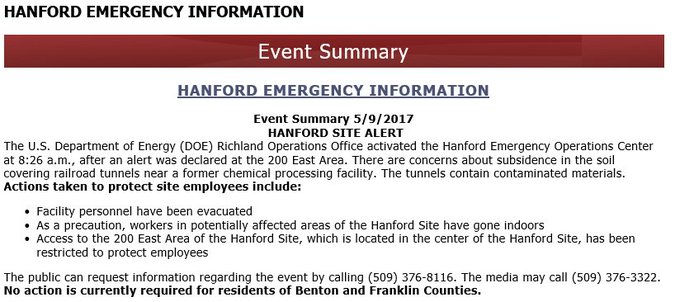
The US Department of Energy has declared an emergency at the Hanford, Washington nuclear waste storage site, after a cave-in of a tunnel used to store radioactive materials and equipment.

About 3,000 workers have taken cover at the 200 East Area of the sprawling complex, local media reported. By 10:30 am local time, the “take cover” orders have been expanded to the entire site, which is about half the size of Rhode Island.

A portion of a tunnel near the plutonium-uranium extraction plant (PUREX) collapsed early Tuesday morning local time, most likely from vibrations produced by nearby road work, KING-TV reported.

Initial reports spoke of a 4-foot (1.2 meter) hole, which was later expanded to 20 feet (6 meters) across, at the junction of two tunnels used in the 1960s to store highly radioactive materials and equipment, such as trains used to transport nuclear fuel rods.

This robot is being used at Hanford right now to sample contamination in the air and on the ground.

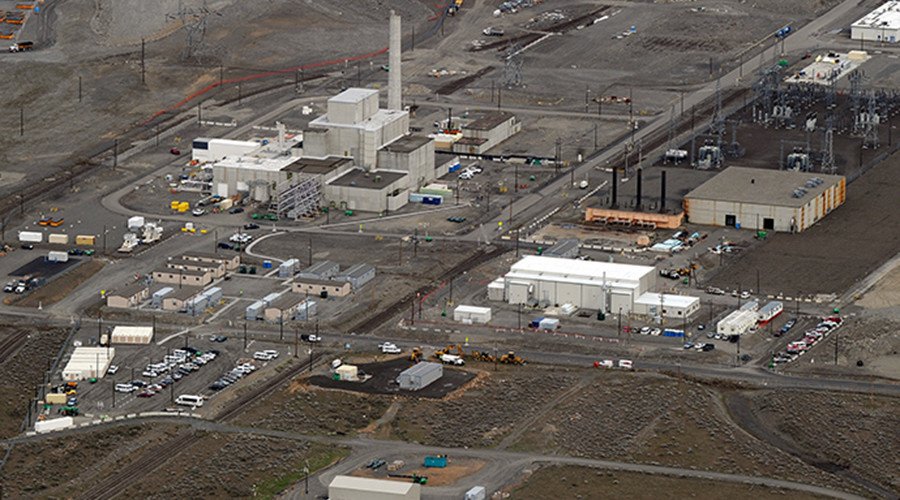
The PUREX facility was built in the 1950s and used until 1988 to extract plutonium from around 70,000 fuel rods in total. The building has been vacant for nearly twenty years and “remains highly contaminated,”according to the Hanford website. Rail cars used to transport the fuel rods from the nuclear reactors to the processing facility are buried inside the nearby tunnels.

Press release from Department of Energy on Hanford Site Emergency. We’re still monitoring the situation. http://www.hanford.gov/c.cfm/eoc/?page=290 

No workers were injured in the collapse, and officials have detected no release of radiation, Washington state Department of Ecology spokesman Randy Bradbury told AP.

“In the ‘60s, spent fuel rods were put in railroad cars and, once filled, the railroad cars were wheeled into a tunnel dug into the side of a hill,” Bradbury said. “Twenty-eight rail cars in all fill this particular tunnel. A worker today noticed a collapse of dirt above the tunnel today, triggering the evacuation.”

READ MORE: Radioactive contamination spreading in shuttered Hanford Site nuclear plant

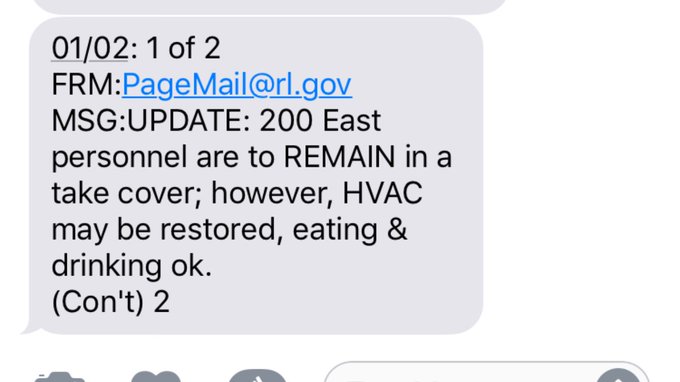
Workers at the complex have been ordered to stay indoors and refrain from eating and drinking, according to text alerts seen by local media. Emergency crews are organizing the evacuation.

HANFORD NEW: Managers just sent this alert to employees.

UPDATE FROM HANFORD: eating now allowed but some areas still in lockdown.

Emergency measures were put in place due to “concerns about subsidence in the soil covering railroad tunnels,” says a statement posted on the Hanford facility website.

Residents of the nearby Benton and Franklin counties do not need to take any action, the facility said.

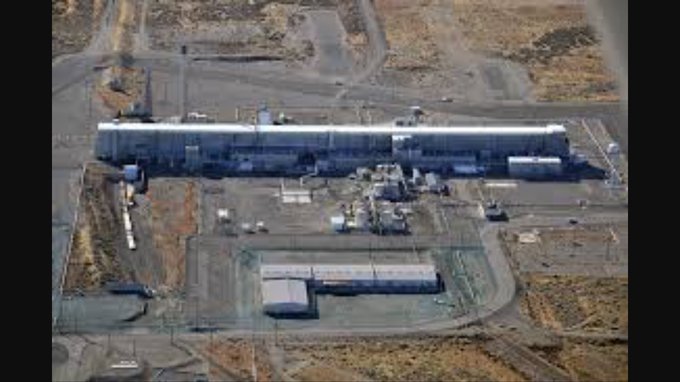
Photo of massive plutonium finishing plant at Hanford. Tunnel that collapsed led to this building.

Hanford Source: “This is the biggest deal I’ve seen at Hanford in my 35 years here.”

Hanford is located on the Columbia River in eastern Washington, near the border with Oregon. Built during World War Two as part of the Manhattan Project to develop the nuclear bomb, it still contains roughly 53 million gallons – over 2,600 rail cars – worth of high-level nuclear waste, left from the production of plutonium for the US nuclear weapons program.

A number of current and former Hanford workers suffer from serious medical conditions as a result of exposure to toxic waste leaks and burps of radiation at the complex, RT America reported in April 2016.

— Fukushima prognosis and how radioactivity affects the body: Medical facts from Dr. Helen Caldicott

With specific information on Tritium, Strontium 90, Cesium 137, radioactive Iodine 131, and Plutonium.

By Helen Caldicott, Volume 4, Issue 2 2014, Australian Medical Student Journal

…Fukushima is now described as the greatest industrial accident in history.

The Japanese government was so concerned that they were considering plans to evacuate 35 million people from Tokyo, as other reactors including Fukushima Daiini on the east coast were also at risk. Thousands of people fleeing from the smoldering reactors were not notified where the radioactive plumes were travelling, despite the fact that there was a system in place to track the plumes. As a result, people fled directly into regions with the highest radiation concentrations, where they were exposed to high levels of whole-body external gamma radiation being emitted by the radioactive elements, inhaling radioactive air and swallowing radioactive elements. [2] Unfortunately, inert potassium iodide was not supplied, which would have blocked the uptake of radioactive iodine by their thyroid glands, except in the town of Miharu. Prophylactic iodine was eventually distributed to the staff of Fukushima Medical University in the days after the accident, after extremely high levels of radioactive iodine – 1.9 million becquerels/kg were found in leafy vegetables near the University. [3] Iodine contamination was widespread in leafy vegetables and milk, whilst other isotopic contamination from substances such as caesium is widespread in vegetables, fruit, meat, milk, rice and tea in many areas of Japan. [4]

The Fukushima meltdown disaster is not over and will never end. The radioactive fallout which remains toxic for hundreds to thousands of years covers large swathes of Japan and will never be “cleaned up.” It will contaminate food, humans and animals virtually forever. I predict that the three reactors which experienced total meltdowns will never be dissembled or decommissioned. TEPCO (Tokyo Electric Power Company) – says it will take at least 30 to 40 years and the International Atomic Energy Agency predicts at least 40 years before they can make any progress because of the extremely high levels of radiation at these damaged reactors.

This accident is enormous in its medical implications. It will induce an epidemic of cancer as people inhale the radioactive elements, eat radioactive food and drink radioactive beverages. In 1986, a single meltdown and explosion at Chernobyl covered 40% of the European land mass with radioactive elements. Already, according to a 2009 report published by the New York Academy of Sciences, over one million people have already perished as a direct result of this catastrophe. This is just the tip of the iceberg, because large parts of Europe and the food grown there will remain radioactive for hundreds of years. [5]

Medical Implications of Radiation

Fact number one

No dose of radiation is safe. Each dose received by the body is cumulative and adds to the risk of developing malignancy or genetic disease.

Fact number two

Children are ten to twenty times more vulnerable to the carcinogenic effects of radiation than adults. Females tend to be more sensitive compared to males, whilst foetuses and immuno-compromised patients are also extremely sensitive.

Fact number three

High doses of radiation received from a nuclear meltdown or from a nuclear weapon explosion can cause acute radiation sickness, with alopecia, severe nausea, diarrhea and thrombocytopenia. Reports of such illnesses, particularly in children, appeared within the first few months after the Fukushima accident.

Fact number four

Ionizing radiation from radioactive elements and radiation emitted from X-ray machines and CT scanners can be carcinogenic. The latent period of carcinogenesis for leukemia is 5-10 years and solid cancers 15-80 years. It has been shown that all modes of cancer can be induced by radiation, as well as over 6000 genetic diseases now described in the medical literature.

But, as we increase the level of background radiation in our environment from medical procedures, X-ray scanning machines at airports, or radioactive materials continually escaping from nuclear reactors and nuclear waste dumps, we will inevitably increase the incidence of cancer as well as the incidence of genetic disease in future generations.

Types of ionizing radiation

  1. X-rays are electromagnetic, and cause mutations the instant they pass through the body.
  2. Similarly, gamma radiation is also electromagnetic, being emitted by radioactive materials generated in nuclear reactors and from some naturally occurring radioactive elements in the soil.
  3. Alpha radiation is particulate and is composed of two protons and two neutrons emitted from uranium atoms and other dangerous elements generated in reactors (such as plutonium, americium, curium, einsteinium, etc – all which are known as alpha emitters and have an atomic weight greater than uranium). Alpha particles travel a very short distance in the human body. They cannot penetrate the layers of dead skin in the epidermis to damage living skin cells. But when these radioactive elements enter the lung, liver, bone or other organs, they transfer a large dose of radiation over a long period of time to a very small volume of cells. Most of these cells are killed; however, some on the edge of the radiation field remain viable to be mutated, and cancer may later develop. Alpha emitters are among the most carcinogenic materials known.
  4. Beta radiation, like alpha radiation, is also particulate. It is a charged electron emitted from radioactive elements such as strontium 90, cesium 137 and iodine 131. The beta particle is light in mass, travels further than an alpha particle and is also mutagenic.
  5. Neutron radiation is released during the fission process in a reactor or a bomb. Reactor 1 at Fukushima has been periodically emitting neutron radiation as sections of the molten core become intermittently critical. Neutrons are large radioactive particles that travel many kilometers, and they pass through everything including concrete and steel. There is no way to hide from them and they are extremely mutagenic.

So, let’s describe just five of the radioactive elements that are continually being released into the air and water at Fukushima. Remember, though, there are over 200 such elements each with its own half-life, biological characteristic and pathway in the food chain and the human body. Most have never had their biological pathways examined. They are invisible, tasteless and odourless. When the cancer manifests it is impossible to determine its aetiology, but there is a large body of literature proving that radiation causes cancer, including the data from Hiroshima and Nagasaki.

  1. Tritium is radioactive hydrogen H3 and there is no way to separate tritium from contaminated water as it combines with oxygen to form H3O. There is no material that can prevent the escape of tritium except gold, so all reactors continuously emit tritium into the air and cooling water as they operate. It concentrates in aquatic organisms, including algae, seaweed, crustaceans and fish, and also in terrestrial food. Like all radioactive elements, it is tasteless, odorless and invisible, and will therefore inevitably be ingested in food, including seafood, for many decades. It passes unhindered through the skin if a person is immersed in fog containing tritiated water near a reactor, and also enters the body via inhalation and ingestion. It causes brain tumors, birth deformities and cancers of many organs.
  2. Cesium 137 is a beta and gamma emitter with a half-life of 30 years. That means in 30 years only half of its radioactive energy has decayed, so it is detectable as a radioactive hazard for over 300 years. Cesium, like all radioactive elements, bio-concentrates at each level of the food chain. The human body stands atop the food chain. As an analogue of potassium, cesium becomes ubiquitous in all cells. It concentrates in the myocardium where it induces cardiac irregularities, and in the endocrine organs where it can cause diabetes, hypothyroidism and thyroid cancer. It can also induce brain cancer, rhabdomyosarcomas, ovarian or testicular cancer and genetic disease.
  3. Strontium 90 is a high-energy beta emitter with a half-life of 28 years. As a calcium analogue, it is a bone-seeker. It concentrates in the food chain, specifically milk (including breast milk), and is laid down in bones and teeth in the human body. It can lead to carcinomas of the bone and leukaemia.
  4. Radioactive iodine 131 is a beta and gamma emitter. It has a half-life of eight days and is hazardous for ten weeks. It bio-concentrates in the food chain, in vegetables and milk, then in the the human thyroid gland where it is a potent carcinogen, inducing thyroid disease and/or thyroid cancer. It is important to note that of 174,376 children under the age of 18 that have been examined by thyroid ultrasound in the Fukushima Prefecture, 12 have been definitively diagnosed with thyroid cancer and 15 more are suspected to have the disease. Almost 200,000 more children are yet to be examined. Of these 174,367 children, 43.2% have either thyroid cysts and/or nodules.In Chernobyl, thyroid cancers were not diagnosed until four years post-accident. This early presentation indicates that these Japanese children almost certainly received a high dose of radioactive iodine. High doses of other radioactive elements released during the meltdowns were received by the exposed population so the rate of cancer is almost certain to rise.
  5. Plutonium, one of the most deadly radioactive substances, is an alpha emitter. It is highly toxic, and one millionth of a gram will induce cancer if inhaled into the lung. As an iron analogue, it combines with transferrin. It causes liver cancer, bone cancer, leukemia, or multiple myeloma. It concentrates in the testicles and ovaries where it can induce testicular or ovarian cancer, or genetic diseases in future generations. It also crosses the placenta where it is teratogenic, like thalidomide. There are medical homes near Chernobyl full of grossly deformed children, the deformities of which have never before been seen in the history of medicine.The half-life of plutonium is 24,400 years, and thus it is radioactive for 250,000 years. It will induce cancers, congenital deformities, and genetic diseases for virtually the rest of time.

    Plutonium is also fuel for atomic bombs. Five kilos is fuel for a weapon which would vaporize a city. Each reactor makes 250 kg of plutonium a year. It is postulated that less than one kilo of plutonium, if adequately distributed, could induce lung cancer in every person on earth.

Conclusion

In summary, the radioactive contamination and fallout from nuclear power plant accidents will have medical ramifications that will never cease, because the food will continue to concentrate the radioactive elements for hundreds to thousands of years. This will induce epidemics of cancer, leukemia and genetic disease. Already we are seeing such pathology and abnormalities in birds and insects, and because they reproduce very fast it is possible to observe disease caused by radiation over many generations within a relatively short space of time.

Pioneering research conducted by Dr Tim Mousseau, an evolutionary biologist, has demonstrated high rates of tumors, cataracts, genetic mutations, sterility and reduced brain size amongst birds in the exclusion zones of both Chernobyl and Fukushima. What happens to animals will happen to human beings. [7]

The Japanese government is desperately trying to “clean up” radioactive contamination. But in reality all that can be done is collect it, place it in containers and transfer it to another location. It cannot be made neutral and it cannot be prevented from spreading in the future. Some contractors have allowed their workers to empty radioactive debris, soil and leaves into streams and other illegal places. The main question becomes: Where can they place the contaminated material to be stored safely away from the environment for thousands of years? There is no safe place in Japan for this to happen, let alone to store thousands of tons of high level radioactive waste which rests precariously at the 54 Japanese nuclear reactors.

Last but not least, Australian uranium fuelled the Fukushima reactors. Australia exports uranium for use in nuclear power plants to 12 countries, including the US, Japan, France, Britain, Finland, Sweden, South Korea, China, Belgium, Spain, Canada and Taiwan. 270,000 metric tons of deadly radioactive waste exists in the world today, with 12,000 metric tons being added yearly. (Each reactor manufactures 30 tons per year and there are over 400 reactors globally.)

This high-level waste must be isolated from the environment for one million years – but no container lasts longer than 100 years. The isotopes will inevitably leak, contaminating the food chain, inducing epidemics of cancer, leukemia, congenital deformities and genetic diseases for the rest of time.

This, then, is the legacy we leave to future generations so that we can turn on our lights and computers or make nuclear weapons. It was Einstein who said “the splitting of the atom changed everything save mans’ mode of thinking, thus we drift towards unparalleled catastrophe.”

The question now is: Have we, the human species, the ability to mature psychologically in time to avert these catastrophes, or, is it in fact, too late?

Disclaimer: The views, opinions and perspectives presented in this article are those of the author alone and does not reflect the views of the Australian Medical Student Journal. The accuracy, completeness and validity of any statements made within this article are not guaranteed. We accept no liability for any errors or omissions.

References

[1] Caldicott H. Helen Caldicott Foundation’s Fukushima Symposium. 2013; Available from: http://www.helencaldicott.com/2012/12/helen-caldicott-foundations-fukushima-symposium/.

[2] Japan sat on U.S. radiation maps showing immediate fallout from nuke crisis. The Japan Times. 2012.

[3] Bagge E, Bjelle A, Eden S, Svanborg A. Osteoarthritis in the elderly: clinical and radiological findings in 79 and 85 year olds. Ann Rheum Dis. 1991;50(8):535-9. Epub 1991/08/01.

[4] Tests find cesium 172 times the limit in Miyagi Yacon tea. The Asahi Shimbun. 2012.

[5] Yablokov AV, Nesterenko VB, Nesterenko AV, Sherman-Nevinger JD. Chernobyl: Consequences of the Catastrophe for People and the Environment: Wiley. com; 2010.

[6] Fukushima Health Management. Proceedings of the 11th Prefectural Oversight Committee Meeting for Fukushima Health Management Survey. Fukushima, Japan2013.

[7] Møller AP, Mousseau TA. The effects of low-dose radiation: Soviet science, the nuclear industry – and independence? Significance. 2013;10(1):14-9.
Originally published: http://www.amsj.org/archives/3487

The impact of the nuclear crisis on global health

— Deadly plutonium — one nuclear reactor make 250 kg each year

From Helen Caldicott:

May 1, 2014

…Plutonium, one of the most deadly radioactive substances, is an alpha emitter. It is highly toxic, and one millionth of a gram will induce cancer if inhaled into the lung. As an iron analogue, it combines with transferrin. It causes liver cancer, bone cancer, leukemia, or multiple myeloma. It concentrates in the testicles and ovaries where it can induce testicular or ovarian cancer, or genetic diseases in future generations. It also crosses the placenta where it is teratogenic, like thalidomide. There are medical homes near Chernobyl full of grossly deformed children, the deformities of which have never before been seen in the history of medicine.

The half-life of plutonium is 24,400 years, and thus it is radioactive for 250,000 years. It will induce cancers, congenital deformities, and genetic diseases for virtually the rest of time.

Plutonium is also fuel for atomic bombs. Five kilos is fuel for a weapon which would vaporize a city. Each reactor makes 250 kg of plutonium a year. It is postulated that less than one kilo of plutonium, if adequately distributed, could induce lung cancer in every person on earth.

http://www.helencaldicott.com/the-impact-of-the-nuclear-crisis-on-global-health/

— In 1947, US Navy burned 600,000 gallons of radioactive fuel at San Francisco shipyard

Originally from SF Weekly

BY LISA DAVIS
lisa.davis@sfweekly.com
SF Weekly
21st May 2003

With little fanfare, U.S. Navy officials in charge of cleaning up the Hunters Point Shipyard acknowledged last week that Navy personnel had burned large amounts of fuel contaminated with radioactive material in the shipyard’s boilers 56 years ago.

In its announcement, the Navy contended that the burning of more than 600,000 gallons of fuel oil containing traces of plutonium and other radioactive materials caused no harm to the environment or to people. But the Navy did not make clear how it determined there had been no harm.

Navy officials declined comment on the announcement, which was included in a fact sheet given to members of the Hunters Point community.

But representatives of federal environmental and health agencies said the revelation should prompt new radiation surveys in and around the shipyard. And residents of the Hunters Point and Bayview neighborhoods near the former shipyard — an area long plagued with health problems — expressed concern about the Navy’s disclosure, which comes after years of environmental cleanup at the shipyard and more than 50 years after the burning in question.

“Everything that happened, on the historical side, out there is significant,” says Lynne Brown, chairman of the Hunters Point Shipyard Restoration Advisory Board, a community liaison committee. “The community would like to know what happened.”

The Hunters Point Shipyard was an active naval base for about 40 years; the Navy decommissioned it in 1974. After leasing significant portions of the base to private interests for a time, the Navy has overseen a long-running environmental cleanup that, once completed, would allow ownership of the base to be transferred to the city of San Francisco. The city wants to redevelop the site for commercial and residential use.

In March 2001, the Navy released a draft Historical Radiation Assessment, billed, at the time, as an exhaustive, five-year look at radiological activities at the shipyard. The report — which, many environmental authorities argue, should have been finished years ago, and certainly long before the shipyard cleanup began in 1989 — cost some $2 million to complete.

That initial report contained no mention of fuel-burning at the shipyard, and deficiencies in the report, including some revealed by SF Weekly, led the Navy to expand and extend its investigation of shipyard radiation. What the Navy describes as “newly discovered” information — the burning of contaminated fuel from ships used as targets in early nuclear weapons tests — comes out of that expanded investigation, being conducted by the Navy’s Radiation Affairs Support Office, based in Yorktown, Va.

Actually, however, the burning of radioactive fuel at the shipyard was first publicly documented by SF Weekly in the initial installment of its investigative series “Fallout,” published in May 2001. That series, which relied in large part on the government’s own records, focused on the activities of the Naval Radiological Defense Laboratory, a research facility that grew out of America’s early nuclear tests.

In 1946, as part of its weapons testing program, the United States detonated two 23-kiloton atomic bombs — known as shots Able and Baker — over a fleet of target ships anchored near the Bikini atoll in the South Pacific Ocean. Many of the ships involved in these Operation Crossroads tests were towed back to Hunters Point Shipyard for research purposes. This research, which centered on attempts to clean the ships of radioactive contamination, was the earliest reported work of the NRDL.

Most of the ships from the Operation Crossroads tests were too damaged and “hot” to reuse and were eventually scuttled at sea — but not before the Navy burned the fuel from three of them, including the giant USS Independence, a 10,000-ton aircraft carrier that had been close enough to have been severely mangled in the blasts. Another ship, the USS Gasconade, was so contaminated that, government reports state, it could only be boarded by workers wearing respiratory gear.

Nonetheless, according to a fact sheet distributed recently by the Navy, in the summer of 1947 Navy personnel (with the approval of officials at the Atomic Energy Commission) burned some 610,000 gallons of contaminated fuel oil from the Independence, the Gasconade, and the USS Crittenden in boilers at the shipyard’s power plants, then known as Buildings 203 and 521. Neither building is mentioned in the Navy’s initial Historical Radiation Assessment. The buildings also were not mentioned as potential sources of radiation contamination in environmental documents provided to the public and regulators in conjunction with the cleanup at Hunters Point Shipyard.

The Navy’s announcement on the burning acknowledges that the fuel oil contained, among other contaminants, plutonium, which has a half-life of 24,000 years — meaning that plutonium particles released in the smoke produced by the burning will exist, somewhere in the environment, for thousands of years. The Navy claims that the amounts of radioactive contaminants released via burning were too small to harm either people or other organisms in the environment.

If inhaled and lodged in the lungs, even tiny particles of plutonium can cause cancer. Construction associated with redevelopment of the shipyard would, almost certainly, kick up large amounts of dust. The question is whether that dust might contain particles of plutonium. Not everyone is willing to simply accept the Navy’s safety claims.

“I’m glad we found out,” says Claire Trombadore, the U.S. Environmental Protection Agency’s project manager for the shipyard site. “Our main concern is what is there now, and is there a risk to human health, or the environment, or both? In our minds, what needs to happen now is to survey that.”

Navy officials did not respond before press time to questions about the possibility of additional radiation surveys in and around the shipyard. The Navy also did not answer questions about how, precisely, fuel inside the Operation Crossroads target ships had been contaminated.

Last year, the EPA surveyed parts of the Hunters Point Shipyard with its Scanner Van — a vehicle that, as its name suggests, scans for radioactive contamination as it moves. But the equipment carried by the van is so delicate it cannot be used off-road, and areas surrounding at least one of the buildings where radioactive fuel was burned remain untested.

According to officials at the Agency for Toxic Substances and Disease Registry, a federal agency that monitors environmental health threats, there is no way to determine how individuals exposed to the burning might have been harmed. Those officials say the only way to know what, if any, problems might exist now is to test the ground for radioactive contamination.

Community members may well be asking the Navy for such testing in the near future.

“My concern is that the radiological standards were lower then [in 1947], and when you’re burning radioactive materials, including plutonium, that stuff went into the community,” says Maurice Campbell, a member of the Hunters Point Shipyard Restoration Advisory Board. “They’re trying to standardize this as a safe practice, when it wasn’t.”

http://www.eurocbc.org/usn_admits_burning_rdncontam_oil_21may2003page1032.html

Europe: Nuclear waste pumped into the Atlantic Ocean through miles of underwater pipes — plutonium on beach where kids play is 1000% legal limit (VIDEO)

Filmed primarily in France and England.

http://youtu.be/HMoaK_2DlLQ

<iframe width=”420″ height=”315″ src=”//www.youtube.com/embed/HMoaK_2DlLQ” frameborder=”0″ allowfullscreen>

The Nuclear Waste Destruction 2014 New Documentary

Excerpts:

25:00 in — The dumping of nuclear waste in the sea was banned worldwide in 1993, yet the nuclear industry has come up with other ways. They no longer dump the barrels at sea; they build kilometers of underwater pipes through which the radioactive effluent now flows freely into the sea. One of these pipes is situated in Normandy [near] the French reprocessing plant in La Hague… The advantage for the nuclear industry? No more bad press… disposal via waste pipes remains hidden from the public eye, quite literally.

28:30 in — 400 km from La Hague [as well as] Holland [and] Germany… we find iodine… 5-fold higher tritium value than [reported] by the operator Areva. It’s now obvious why citizens take their own measurements.

30:15 in — Molecular Biologist: “The radioactive toxins accumulate in the food chain. This little worm can contain 2,000-3,000 times more radioactivity than its environment. It is then eaten by the next biggest creature and so on, at the end of the food chain we discovered damage to the reproductive cells of crabs… These genetic defects are inherited from one generation to the next… Cells in humans and animals are the same.”

32:00 in — The 2nd disposal pipe for Europe’s nuclear waste is located in the north of England… Radioactive pollution comes in from the sea. Their houses are full of plutonium dust… The pipe from Sellafield is clearly visible only from the air… nuclear waste is still being dumped into the sea. Operators argue this is land-based disposal… It has been approved by the authorities.

35:45 in — Plutonium can be found here on a daily basis, the toxic waste returns from the sea… it leaches out, it dries, and is left lying on the beach. The people here have long since guessed that the danger is greater than those responsible care to admit… Every day a small excavator removes plutonium from the beach… In recent decades the operator at Sellafield has tossed more than 500 kg of plutonium into the sea.

42:00 in — We take a soil sample… The result turns out to be alarming. The amount of plutonium is up to 10 times higher than the permissible limit.

Posted at
http://enenews.com/tv-plutonium-being-pumped-ocean-miles-underwater-pipes-nuclear-waste-left-lying-beach-kids-playing-sand-machines-scoop-plutonium-day-video-photos