Five years later, TEPCO admits it should have declared meltdowns at Fukushima plant much earlier

From the Japan Times
February 24, 2016
by

Nearly five years after the nation’s worst nuclear accident, Tokyo Electric Power Co. has admitted that its staff failed to follow damage assessment guidelines, according to which they should have reported the meltdowns almost immediately.

A Tepco spokesman on Wednesday said the company’s Disaster Management Manual requires a reactor to be declared “in meltdown” if 5 percent or more of its fuel rods are determined to be “damaged.”

Tepco knew the extent of the damage early on. As of March 14, 2011, it estimated that 55 percent of the fuel rod assemblies of the reactor No. 1 and 25 percent of those at reactor No. 3 were “damaged,” based on the levels of radiation detected, Tepco spokesperson Yukako Handa told The Japan Times by phone.

Yet, despite widespread public skepticism at that time, the company refused to use the word “meltdown” for a period of about two months.

This led to widespread public speculation about a cover-up and failure to admit the extent of the damage. The sudden removal of a nuclear regulator spokesman fueled this.

Handa said a meltdown would have been declared if the guidelines had been followed correctly. But she said Tepco reported its estimates of damage to the government immediately — as required by law — and its failure to describe the situation as one of meltdown did not break regulations.

“Executives in charge of public relations at the time of the accident were not aware of the assessment criteria written in the Disaster Management Manual,” Handa said.

“They believed there was no clear definition of a ‘meltdown,’ so they didn’t make any clear remarks about one,’ ” she said.

Handa said Tepco will investigate why it failed to follow the assessment manual.

Wednesday’s announcement by Tepco was the first confirmation that such a manual even exists. NHK broke the news earlier in the day.

Whether to admit a “meltdown” was taking place at the plant was a sensitive topic for both the central government and Tepco from the start.

On March 12, one day after the tsunami knocked out power and cooling facilities, Koichiro Nakamura, a senior official at the now-defunct Nuclear and Industry Safety Agency, told a news conference that a “meltdown of a reactor’s core” may be taking place at the Fukushima plant, given the radiation levels detected.

Nakamura was promptly removed from a PR position at the agency, sparking speculation of a government cover-up of something critical underway at the site.

http://www.japantimes.co.jp/news/2016/02/24/national/tepco-admits-initial-assessments-fukushima-meltdowns-wrong/#.Vs3-u-zTkmh

Posted under Fair Use Rules

Study: The atmospheric transport of iodine-129 from Fukushima to British Columbia, Canada and its deposition and transport into groundwater

“…dilution and dispersion have reduced 129I contamination as further inputs have ceased.”

Where are the authors getting their information on Fukushima?

From American Geophysical Union
Water Resources Research  Journal

First published: 17 December 2015
DOI: 10.1002/2015WR017325

Abstract

The Fukushima-Daiichi nuclear accident (FDNA) released iodine-129 (15.7 million year half-life) and other fission product radionuclides into the environment in the spring and summer of 2011. 129I is recognized as a useful tracer for the short-lived radiohazard 131I, which has a mobile geochemical behavior with potential to contaminate water resources. To trace 129I released by the FDNA reaching Canada, pre-accident and post-accident rain samples collected in Vancouver, on Saturna Island and from the National Atmospheric Deposition Program in Washington State were measured. Groundwater from the Abbotsford-Sumas Aquifer was sampled to determine the fate of 129I that infiltrates below the root zone. Modeling of vadose zone transport was performed to constrain the travel time and retardation of 129I. The mean pre-accident 129I concentration in rain was 31 × 106 atoms/L (n = 4). Immediately following the FDNA, 129I values increased to 211 × 106 atoms/L and quickly returned to near-background levels. However, pulses of elevated 129I continued for several months. The increases in 129I concentrations from both Vancouver and Saturna Island were synchronized, and occurred directly after the initial release from the FDNA. The 129I in shallow (3H/3He age <1.4 years) Wassenaar et al. (2006) groundwater showed measurable variability through March 2013 with an average of 3.2 × 10⁶ atoms/L (n = 32) that was coincident with modeled travel times for Fukushima 129I. The groundwater response and the modeling results suggest that 129I was partially attenuated in soil, which is consistent with its geochemical behavior; however, we conclude that the measured variability may be due to Fukushima 129I entering groundwater.

Continue reading

Study overview – Tracking the Fallout and Fate of Fukushima Iodine-129 in Rain and Groundwater

He minimizes the impacts of the fallout, but the charts are telling and contradict some of his statements. This is increased and increasing exposure of a near-permanent element that is toxic. It is getting into aquifers and drinking water rapidly. Plus it is only one radioisotope. How many hundreds more accompanied iodine-129, and into the groundwater as well? What is the total rad amount that we are drinking and breathing?

Posted by Matt Herod, co-author of University Ottawa study

The atmospheric transport of iodine-129 from Fukushima to British Columbia, Canada and its deposition and transport into groundwater

December 21, 2015

A recently published paper (by myself and colleagues from uOttawa and Environment Canada) investigates the environmental fate of the long lived radioisotope of iodine, 129I, which was released by the Fukushima-Daichii Nuclear Accident (FDNA). Within 6 days of the FDNA 129I concentrations in Vancouver precipitation increased 5-15 times above pre-Fukushima concentrations and then rapidly returned to background. The concentrations of 129I reached were never remotely close to being dangerous, however they were sufficient to distinguish the impact of the FDNA on the region.

Subsequent sampling of groundwater revealed slight increases in 129I concentration that were coincident with the expected recharge times. This suggests that a small fraction of the FDNA-derived 129I may have been transported into local groundwater after infiltrating through soils.

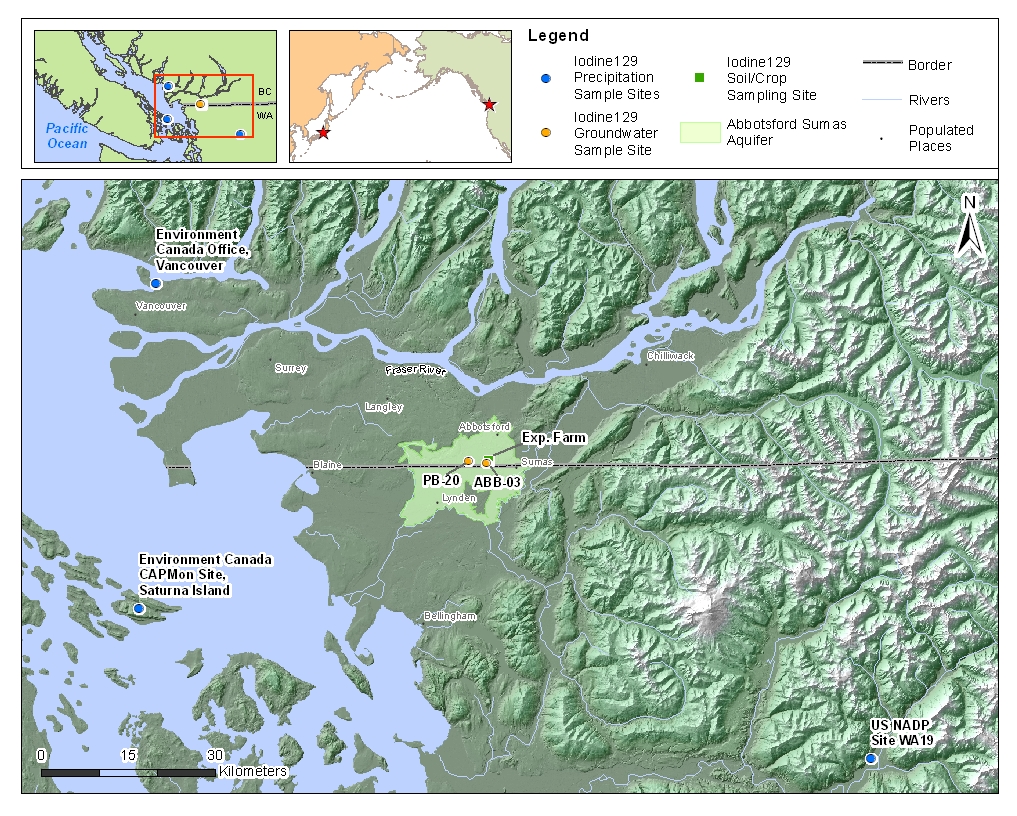
Iodine129_Precip_Sample_BC_JP

Sample map showing location of all three precipitation sampling locations as well as the location of both wells used for groundwater sampling. The surface expression of the Abbotsford-Sumas Aquifer is shaded.

What is iodine-129 and where does it come from?

Iodine-129 is the longest lived isotope of iodine with a half-life of 15.7 million years. It is radioactive and occurs everywhere throughout the environment. It is produced in three ways. The first two are natural and the third is by the nuclear industry.

The natural production of 129I occurs in the atmosphere and in soil/rocks. The atmospheric production happens when a cosmic ray proton hits a xenon-129 nucleus and removes a neutron, replacing it and creating an iodine-129 nucleus. The production in soil and rocks happens when a uranium-238 nucleus spontaneously fissions and one of the halves it releases has a mass of 129 ala, iodine-129.

The anthropogenic production occurs because when uranium fissions in a nuclear reactor sometimes one of the parts is 129I. This anthropogenic production is by far the largest source in the environment as substantial amounts have been released by nuclear fuel reprocessing. This 129I that has been released can trace a host of environmental processes and inform us about what happens to 129I or the much more dangerous, 131I. The current levels of 129I are much too low to pose a health threat to humans or the environment, but do allow 129I to be used as an environmental tracer.

129I from Fukushima is present in Vancouver, B.C. rain

The purpose of this research was to discover the fate of 129I in the released by Fukushima, which although a small amount, was isolated in time and space. We measured the 129I deposition in rain and its subsequent movement though soils and see if it reached groundwater. The results tell us about the impact of Fukushima, how 129I moves, where it is attenuated, and how quickly contaminants in this aquifer move from the ground surface to the water table. This knowledge can then be applied to understand 129I behavior in other settings such as nuclear waste repositories and watersheds or it can be used to learn about the behavior of other types of contaminant in this aquifer and how vulnerable it is to contamination.

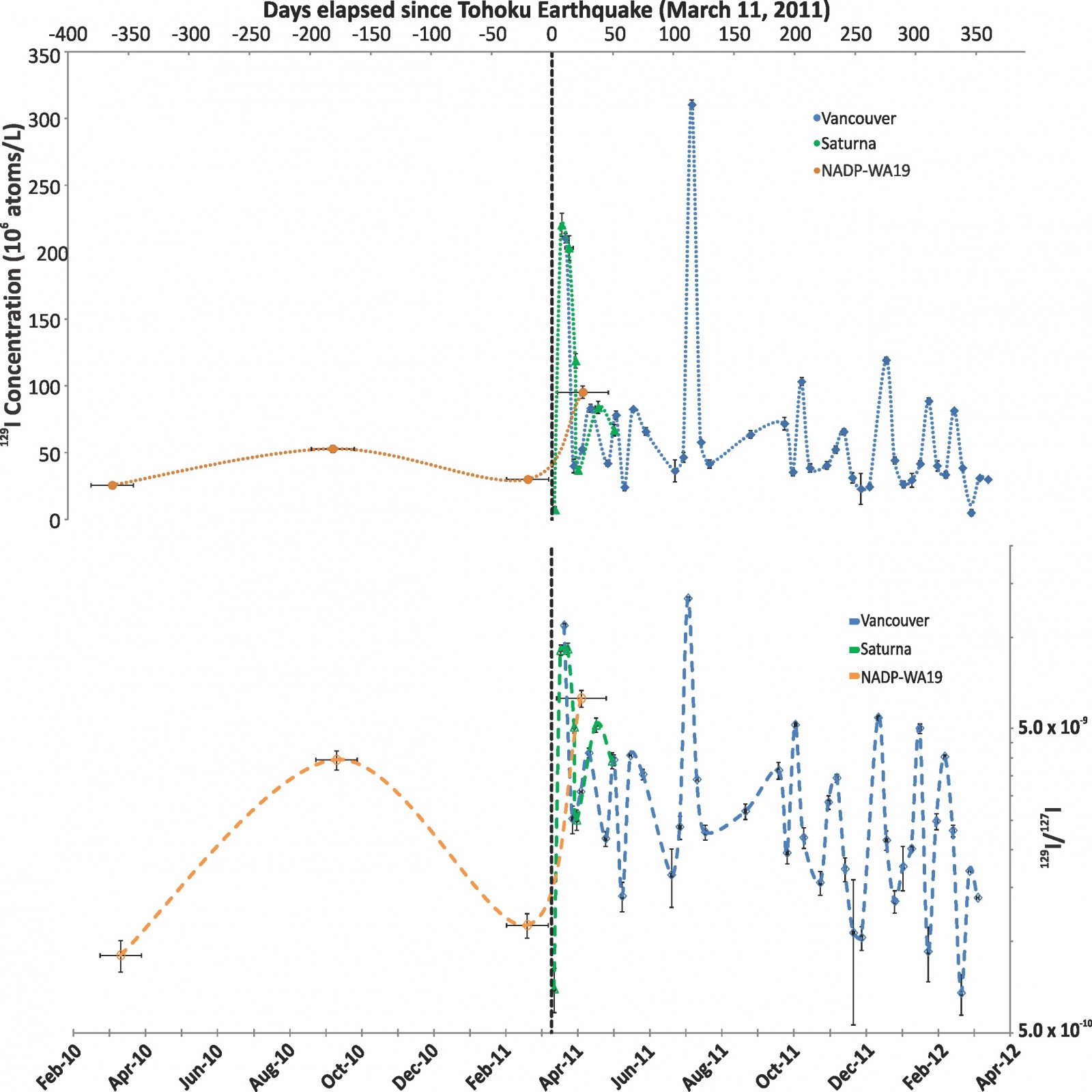
The results in rain show an increase in 129I concentrations of up to 220 million atoms/L*. This increase was seen ~6-10 days after the emission from Fukushima began and are 5-15 times higher than rain samples collected before Fukushima. Following this increase 129I concentrations returned to background with a few weeks. This agrees with other studies monitoring the fallout of Fukushima derived radioisotopes [Wetherbee et al., 2012]. Furthermore, atmospheric back trajectory modelling shows trajectories for air parcels arriving in Vancouver from over the Pacific ocean and Japan.

Figure2_129IPrecip

[Editor: Note that 129I is still spiking in February 2012, (top chart) and could be trending toward another spike, when the data stops]

Variation in the concentration of 129I and the 129I/127I ratio in precipitation from Vancouver, Saturna Island and NADP site WA19 over time. The time range that each NADP sample integrates is displayed using horizontal error bars. 1σ error is contained within data points if not visible. The dashed vertical line shows the date of the FDNA relative to samples.

We also calculated the mass flux of 129I from Fukushima. That is the actual quantity of 129I that was deposited on the region in grams, or in this case in atoms/m2. This was calculated by simply multiplying the concentration of 129I in rain by the amount of rain that fell. We found that only about 15% of the annual 129I deposition in the Vancouver region could be directly linked to Fukushima affected rain events. The total mass deposited by Fukushima was ~0.0000000000002 (2 x 10^-13) grams. This is a negligibly small quantity with respect to radioactive risk.

Despite the fact that the deposition of 129I from Fukushima was infinitesimally small it was still measurable. Therefore, the question became where did it go and can we learn about local groundwater resources using 129I as a tracer?

129I variation in groundwater may be due to Fukushima

The results in groundwater show very small 129I concentration increases. Two different wells were sampled. The first had a recharge time, which is the time it takes for water to move from the water table to the well screen, where it is sampled, of 0.9 years and the second had a recharge time of 1.2 years [Wassenaar et al., 2006]. The exact time it takes for water and dissolved contaminants to travel through the unsaturated zone was unknown. However, the sediments of this aquifer are very coarse and are known for their ability to rapidly transport contaminants, such as nitrate [Chesnaux and Allen, 2007]. Therefore, if we were going to see 129I from Fukushima this was an ideal location.

The increases in groundwater 129I concentrations were seen in two different wells (ABB03 and PB20) located close to one another. The two wells also had slightly different recharge times. The first was 0.9 years and the second was 1.2 years. The 129I anomaly in the first well occurred at 0.9 years and in the second well at 1.2 years. These 129I anomalies, which occurred exactly when the recharge age predicted they would, suggests that some of the 129I deposited by Fukushima was reaching the wells and causing these increases.

Gwater_129Iconc

Temporal variation in the concentration of 129I in groundwater in ABB03 and PB20. The solid vertical line shows the date of the Fukushima accident and the dashed horizontal line shows the median of each dataset respectively. The 3H/3He ages from [Wassenaar et al., 2006] of groundwater in each well and their uncertainty is pictured as the solid arrow which is aligned with the 129I anomaly possibly caused by the FDNA. The dashed arrow covers a 40 day (0.11 year) time span and represents a possible vadose zone transport time.

In order to verify if it was possible for 129I to travel from the ground surface to the water table in the time required to produce the variations observed we modelled its transport time and attenuation through the unsaturated zone.

The time it took for 129I to reach the water table in the model was then added to the previously dated recharge time to get an estimate for how long it might take 129I from Fukushima to reach the wells we sampled. The results show that it is indeed possible for 129I deposited in rain to infiltrate through the unsaturated zone and reach the wells in time for us to detect it. However, this rapid transport assumes that certain flow paths exist to rapidly conduct 129I due to the heterogeneous lithology of the unsaturated zone. There is evidence of such flow paths [McArthur et al., 2010].

To summarize,

  • Within a week of the FDNPP accident elevated 129I concentrations were observed in precipitation. This agrees very well with work on other radionuclides in air filters and rain.
  • 129I concentrations in rain returned to background within a few weeks. However, discrete pulses of elevated 129I occurred for another several months.
  • Elevated 129I concentrations were measured in two wells and corresponded with the expected recharge times indicating that 129I from Fukushima can be traced into groundwater.
  • Vadose zone modeling has shown that 129I can be rapidly transported to the water table and reach the well screen in accordance with groundwater ages.
  • We propose 129I transport is enhanced by preferential dispersion of 129I that exists due to the heterogeneous nature of the vadose zone.
  • This results in variability in groundwater 129I concentrations that preserve the variability in the input of 129I via washout with some dampening of the signal due to attenuation and dilution.

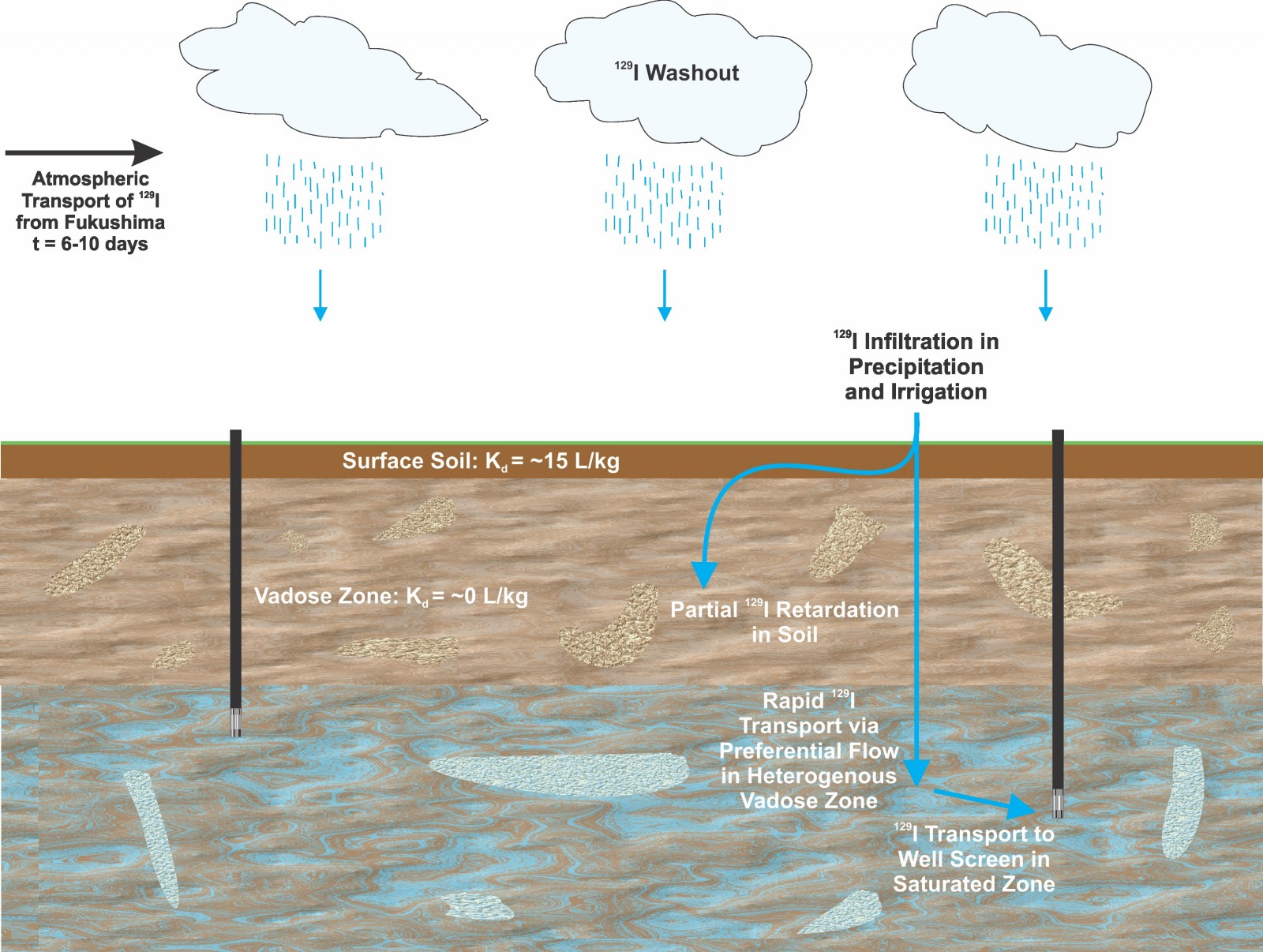
Fukushima Model

Conceptual model showing the possible transport pathways of Fukushima derived 129I which was deposited via precipitation. A fraction of this 129I was rapidly transported through a heterogeneous vadose zone via preferential flowpaths to groundwater where minor 129I variation was detected. The remainder was retarded or attenuated in the vadose zone during transport.

Thanks for reading, if you have any questions or concerns please leave a comment or send me an email to discuss further!

*Note: 100 million atoms/L of 129I is equivalent to an activity of 0.00000014 (1.4 x 10^-7) Bq/L. These quantities are extremely low level and only the most sensitive analytical methods in the world can detect them. This amount of radioactivity is several orders of magnitude lower than the natural background radiation produced by naturally occurring radionuclides in soil and the atmosphere. For more on naturally occurring radioactivity see here. Even a clean rainfall has about 1 Bq/L of tritium (radioactive hydrogen), which remains from atmospheric weapons testing in the 1960’s

Access the full paper here: http://onlinelibrary.wiley.com/doi/10.1002/2015WR017325/abstract

References

Chesnaux, R., and D. M. Allen (2007), Simulating Nitrate Leaching Profiles in a Highly Permeable Vadose Zone, Environ. Model. Assess., 13(4), 527–539, doi:10.1007/s10666-007-9116-4.

McArthur, S. A. Q., D. M. Allen, and R. D. Luzitano (2010), Resolving scales of aquifer heterogeneity using ground penetrating radar and borehole geophysical logging, Environ. Earth Sci., 63(3), 581–593, doi:10.1007/s12665-010-0726-9.

Wassenaar, L. I., M. J. Hendry, and N. Harrington (2006), Decadal geochemical and isotopic trends for nitrate in a transboundary aquifer and implications for agricultural beneficial management practices., Environ. Sci. Technol., 40(15), 4626–32.

Wetherbee, G. A., D. A. Gay, T. M. Debey, C. M. B. Lehmann, and M. A. Nilles (2012), Wet Deposition of Fission-Product Isotopes to North America from the Fukushima Dai-ichi Incident, March 2011, Environ. Sci. Technol., 46(5), 2574–2582.

By

Matt Herod is a Ph.D Candidate in the Department of Earth Sciences at the University of Ottawa in Ontario, Canada. His research focuses on the geochemistry of iodine and the radioactive isotope iodine-129. His work involves characterizing the cycle and sources of 129I in the Canadian Arctic and applying this to long term radioactive waste disposal and the effect of Fukushima fallout. His project includes field work and lab work at the André E. Lalonde 3MV AMS Laboratory. Matt blogs about any topic in geology that interests him, and attempts to make these topics understandable to everyone. Tweets as @GeoHerod.

Tracking the Fallout and Fate of Fukushima Iodine-129 in Rain and Groundwater

Posted under Fair Use Rules.
– Iodine 129 and 131: what are the hazards?

From Dr. Sircus.com
Posted 9-2-13

U.S. Nuclear Regulatory Commission (NRC) officials calculated an annual thyroid dose of 40,000 microsieverts (or 4 REM) for infants under one year of age in California. Per the U.S. Department of Health and Human Services division of Radiation Emergency Medical Management division (REMM), a child’s dose of 5 REM is immediate grounds for evacuation and prophylactic measures. (REM does not specifically reference an infant dose) Thus, the projected government dose of 4 REM was 80% of the suggested evacuation rate.

Iodine-131, a radioactive isotope, is primarily taken up by the thyroid gland. It is a bio-mimicker. The thyroid gland requires iodine to function. In a nuclear accident large amounts of radioactive iodine-131 are released and this was certainly the case for Fukushima, especially in the early days. The thyroid gland is unable to differentiate between regular iodine and radioactive iodine and will uptake whatever chemical form it is presented with especially when one is already iodine deficient.

The negative health consequences of iodine-131 target the sensitive populations of the pregnant, unborn, babies and children up to 10 years of age most aggressively. If iodine-131 is inhaled or ingested it lingers in the body wherein it emits radioactive energy that results in internal damage mainly to the thyroid and parathyroid glands. According to the EPA iodine-131’s short half-life of 8 days means that it will decay away completely in the environment in a matter of months but with devastating affects to the thyroid tissues if those tissues are deficient in iodine.

Unborn, infants and children have tiny thyroid glands and an overall small body mass. Thus when ingested, a particle of iodine-131 can direct tremendous and damaging energy at cells at a much greater ratio than in an adult.
Critical uptake facts[1] per the Agency for Toxic Substances and Disease Registry

  • Newborn babies will uptake iodine at rates 16 times higher than adults.
  • Infants under the age of one have an eight times higher uptake than adults.
  • Five-year-old children have four times the adult uptake rate.
  • Pregnant mothers have increased thyroid uptake, most noted in the first trimester.
  • The unborn have an increased thyroid uptake in the second and third trimester of pregnancy.
  • Nursing mothers can secrete 25% of iodine reserves to their babies.

Dr. Brownstein said, “After testing individuals and finding low iodine levels, I began to use smaller milligram amounts of iodine/iodide (6.25 mg/day). Upon retesting these individuals 1-2 months later, little progress was made. I therefore began using higher milligram doses (6.25-50 mg) to increase the serum levels of iodine. It was only with these higher doses that I began to see clinical improvement as well as positive changes in the laboratory tests.”

Dr. Michael B. Schachter says, “The treatment dose when a person is iodine insufficient is generally between 12.5 mg and 50 mg daily. Preliminary research indicates that if a person is iodine insufficient, it takes about three months to become iodine sufficient while ingesting a dosage of 50 mg of iodine and a year to become iodine sufficient while ingesting a dosage of 12.5 mg of iodine daily. However, the patient needs to be monitored closely with awareness of possible side effects and detoxification reactions.”

Iodine and Cancer

http://www.buzzle.com/img/articleImages/524459-4114-32.jpg

High intake of iodine is associated with a lower risk of breast cancer. Low iodine intake is associated with liver cancer.2] Women with a history of low iodine levels (hypothyroidism) face a significantly higher risk of developing liver cancer. [Researchers led by Manal Hassan of Anderson Cancer Center at the University of Texas concluded that this finding suggested a clinical association between hypothyroidism and hepatitis C, which is contributing to the country’s rising rate of liver cancer.

Dr. Michael Friedman says, “Women are particularly at risk due to environmental agents depleting iodine reserves and other agents exposing them to radioactive 1-131. After the thyroid gland, the distal portions of the human mammary glands are the heaviest users/concentrators of iodine in tissue. Iodine is readily incorporated into the tissues surrounding the mammary nipples and is essential for the maintenance of healthy functioning breast tissue. The radioactive decay of 1-131 in breast tissue may be a significant factor in the initiation and progression of both breast cancer and some types of breast nodules.”

The Journal of Nuclear Science and Technology Volume 50, Issue 3, 2013 contains a paper titled Source term estimation of atmospheric release due to the Fukushima Dai-ichi Nuclear Power Plant accident by atmospheric and oceanic dispersion simulations. Using the best available data and models it provides new estimates for the total quantity of I-131 and Cs-137 that was released into the atmosphere by the events at Fukushima Dai-ichi during the period from March 12 – March 20, 2013.[3] This report shows that the total amounts of I-131 and Cs-137. discharged into the atmosphere from 5 JST (Japan Standard Time)  on March 12 to 0 JST on March 20 were estimated to be approximately 2.0 × 10¹⁷ and 1.3 × 10¹⁶ Bq, respectively.

Iodine -129 – A Growing Radiological Risk

While we’ve all been led to believe that I-131 is no longer so much of a threat from Fukushima, we have to also worry about the effects of another type of iodine and that’s I-129. I-129 is another isotope produced by the fission of Uranium-235. Within these fission products approximately 75% is I-131 and 25% is I-129. Iodine-129, although a result of nuclear fission in reactors, also occurs to a small extent in the upper atmosphere due to the interaction of high-energy particles with naturally-occurring xenon. Iodine-129 has a long half-life of ~15.7 million years, which makes this of significant concern when processing nuclear waste or when nuclear accidents occur.

According to the Environmental Protection Agency when I-129 or I-131 is ingested, some of it concentrates in the thyroid gland. The rest passes from the body in urine. Airborne I-129 and I-131 can be inhaled. In the lung, radioactive iodine is absorbed, passes into the blood stream, and collects in the thyroid. Any remaining iodine passes from the body with urine.

In the body, iodine has a biological half-life of about 100 days for the body as a whole. It has different biological half-lives for various organs: thyroid – 100 days, bone – 14 days, and kidney, spleen, and reproductive organs – 7 days. Long-term (chronic) exposure to radioactive iodine can cause nodules, or cancer of the thyroid.

Iodine-129 and -131 experience beta decay, which means they emit beta particles when decaying from unstable to stable form. Beta particles are moderately energetic. Gamma rays are also emitted and are highly energetic, which means that they can be detected outside the body, for example, when uptake in the thyroid is measured by external sensors. Beta particles easily pass through soft tissue and cause damage to DNA by literally shattering DNA strands and knocking out chunks of gene sequences. What makes them potentially dangerous is the localized accumulation in the thyroid.

“Due to its long half-life and continued release from ongoing nuclear energy production, Iodine-129 is perpetually accumulating in the environment and poses a growing radiological risk,” the authors of a study at Dartmouth point out.[4]

The production rate of these two isotopes in a nuclear reactor occurs at a fixed ratio of 3 parts iodine-131 to one part iodine-129. The two substances travel together, so the presence of the easily detectable isotope also signals the presence of the longer-lived one. “If you have a recent event like Fukushima, you are going to have both present. The iodine-131 is going to decay away pretty quickly over the course of weeks, but the iodine-129 is there forever, essentially,” Joshua Landis, a research associate in the Department of Earth Science at Dartmouth explains, “Once the iodine-131 decays, you lose your ability to track the migration of either isotope.”

In a news report by the Pacific Standard we see that there is now no remediation technology available for the significant quantities of iodine-129 that have already leaked into groundwater at nuclear weapons production locations, including the Hanford Site in Washington state. Meanwhile, France and England — which produce large proportions of their electricity via nuclear power — are reprocessing spent fuel and disposing of vast quantities of iodine-129 simply by dumping it in the ocean.

Ocean disposal of iodine-129 appears to have resulted in massive increases of radionuclide concentrations. Currents carry the British and French iodine-129 northward, and a 2003 Danish study found concentrations in the Kattegat strait between Denmark and Sweden increased six fold between 1992 and 2000. Concentrations of iodine-129 in some Arctic waters are 4,000 times their pre-nuclear era levels. Add to this the I-129 released from Fukushima and we should be aware that there is much to be concerned with.

Conclusion

Every parent needs to come to the conclusion that they need to supplement with iodine at reasonably high levels. The situation is bad and destined to get worse. If one waits for their doctors or government officials to give out warnings one will sooner or later regret it.

References

[2] Hassan, Manal et al; Association Between Hypothyroidism and Hepatocellular Carcinoma: USA Case-Control Study. Hepatology, May 2009

[3] Source term estimation of atmospheric release due to the Fukushima Dai-ichi Nuclear Power Plant accident by atmospheric and oceanic dispersion simulations; Takuya Kobayashia, Haruyasu Nagaia, Masamichi Chinoa & Hideyuki Kawamuraa ;Journal of Nuclear Science and Technology;Volume 50, Issue 3, 2013; pages 255-264; http://www.tandfonline.com/doi/full/10.1080/00223131.2013.772449#tabModule

[4] Dartmouth scientists track radioactive iodine from Japan nuclear reactor meltdown; Dartmouth College; April 2, 2012

Dr. Mark Sircus, Ac., OMD, DM (P)

Director International Medical Veritas Association
Doctor of Oriental and Pastoral Medicine

http://drsircus.com/medicine/fukushima-radioactive-iodine-emergency/#sthash.bNlVySPh.dpuf

Posted under Fair Use Rules.

– Vancouver rainfall had 220,000,000 atoms per liter of Iodine-129 after Fukushima; half-life = 15.7 million years; rapidly reached drinking water aquifer

From ENE News
Posted February 17, 2016

Matt Herod, Univ, of Ottawa Ph.D Candidate, Dec 21, 2015 (emphasis added): A recently published paper (by myself and colleagues from uOttawa and Environment Canada) investigates… [Iodine-129] which was released by the Fukushima-Daichii [sic] Nuclear Accident… Within 6 days of the FDNA 129I concentrations in Vancouver precipitation increased 5-15 times… sampling of groundwater revealed slight increases in 129I… The results in rain show an increase in 129I concentrations of up to 220 million atoms/L… 129I anomalies [in groundwater wells], which occurred exactly when the recharge age predicted they would, suggests that some of the 129I deposited by Fukushima was reaching the wells… [P]ulses of elevated 129I occurred for another several months. Elevated 129I concentrations were measured in two wells… indicating that 129I from Fukushima can be traced into groundwater… [M]odeling has shown that 129I can be rapidly transported to the water table

Scientists from Univ. of Ottawa’s Dept. of Earth Science and Environment Canada (Government of Canada), Dec 2015: The atmospheric transport of iodine-129 from Fukushima to British Columbia, Canada and its deposition and transport into groundwater

  • The Fukushima-Daiichi nuclear accident (FDNA) released iodine-129 (15.7 million year half-life)… The mean pre-accident 129I concentration in rain was [31,000,000 atoms/L]… following the FDNA, 129I values increased to [211,000,000 atoms/L]… [P]ulses of elevated 129I continued for several months
  • The 129I in shallow… groundwater showed measurable variability through March 2013 with an average of [3,200,000 atoms/L]… coincident with modeled travel times…
  • Radionuclides released from the FDNA have been detected across the globe… [R]eleases of 129I and 131I… travel great distances
  • The Abbotsford-Sumas Aquifer… spans the Canada–U.S. border between [B.C., Canada and Washington, US] and supplies ∼120,000 people with drinking water
  • A pulse of 129I in precipitation with maximum concentrations of [211,000,000 atoms/L] in Vancouver and [221,000,000 atoms/L] at Saturna Island was observed 6 days following the FDNA. A value of [311,000,000 atoms/L] was also measured during the first week of July…
  • The high 129I concentrations while the FDNA was ongoing are attributed to the rapid trans-Pacific transport of 129I from Fukushima… This response in 129I concentrations shows that radionuclides from Fukushima were transported rapidly from Japan to the west coast of Canada and the US… [Sampling from Washington State], which is a composite of rainfall events spanning 15 March 2011 to 16 April 2011 shows a significantly elevated 129I concentration of [95,000,000 atoms/L]…
  • There was a spike in 129I concentration observed in the precipitation sample from the period of 1 July 2011 to 8 July 2011 [which] rose to [311,000,000 atoms/L]… a substantially higher concentration than any other sample… As monitoring at Fukushima detected no pulse of 129I in precipitation in July… this spike is likely due to a… nuclear fuel reprocessing facility. Modeling of the air parcel back trajectories… for the sampling period shows air mass trajectories from Hawaii, north Japan, and Russia…
  • The initial increase in 129I concentration at the water table appeared within ∼95 days, with a maximum concentration of [10,500,000 atoms/L]…
  • In the model cases, 129I reached the water table very rapidly
  • Groundwater 129I concentrations in two nearby wells showed minor anomalies over the sampling period which could be due to rapid infiltration of the FDNA atmospheric 129I signal… [M]odeling shows that it was possible for a component of the 129I deposited by the FDNA to be conducted rapidly from the ground surface to the water table… We conclude that it is possible that a fraction of 129I from the FDNA is transported conservatively in this aquifer via preferential flow paths to the water table…

See also: Official in Canada advises public not to drink rainwater coming from Fukushima

And: Rain with 20,000,000 particles of Iodine-131 per liter fell on US (VIDEO)

http://enenews.com/official-report-west-coast-hit-220000000-atoms-liter-iodine-129-rain-after-fukushima-15-million-year-half-life-detected-groundwater-transported-rapidly-japan-west-coast-canada-elevated-lev

Georgia: Savannah River site may get Germany’s nuclear waste; comments due March 11

More information on this proposal is available at http://www.regulations.gov/#!documentDetail;D=DOE_FRDOC_0001-3020

Comment deadline: March 11, 2016

It appears from the Federal Notice that there will be no scoping process public comment period if DOE decides to do an Environmental Impact Statement — see last paragraph highlighted below. That needs to be clarified and contested if so. To be on the safe side, issues that should be covered in the scope of the EIS should be raised in comments filed now.

Direct written comments on the Draft Spent Nuclear Fuel from Germany EA to

Tracy Williams
NEPA Compliance Officer
U.S. Department of Energy
P.O. Box B
Aiken, South Carolina 29802

Email comments on the Draft Spent Nuclear Fuel from Germany EA  to
GermanSpentNuclearFuelEA@leidos.com

Summary

The U.S. Department of Energy (DOE) announces the availability of its draft environmental assessment (EA) (DOE/EA-1977) evaluating the potential environmental impacts from a proposed action to receive, store, process and disposition spent nuclear fuel (SNF) from the Federal Republic of Germany at DOE’s Savannah River Site (SRS) (Draft German Spent Nuclear Fuel EA). (1) This SNF is composed of kernels containing thorium and U.S.-origin highly enriched uranium (HEU) embedded in small graphite spheres that were irradiated in research reactors used for experimental and/or demonstration purposes. DOE invites public comments on the Draft Spent Nuclear Fuel from Germany EA and is announcing a public meeting.

Dates

The 45-day public comment period extends from the date of publication of this notice in the Federal Register through March 11, 2016. DOE will consider all comments received via email by 11:59 p.m. Eastern Standard Time or postmarked by that date. Comments submitted after that date and time will be considered to the extent practicable.

Addresses

This Draft Spent Nuclear Fuel from Germany EA is available at the following sites:

http://energy.gov/nepa/office-nepa-policy-and-compliance

http://www.srs.gov/sro/germanheuproj.html

http://www.srs.gov/general/pubs/envbul/nepa1.htm

To request a print copy of the Draft Spent Nuclear Fuel from Germany EA please submit your request to Tracy Williams, NEPA Compliance Officer, U.S. Department of Energy, P.O. Box B, Aiken, South Carolina 29802; or by telephone at (803) 952-8278.

DOE invites Federal agencies, state and local governments, Native American tribes, industry, other organizations, and members of the general public to submit comments on DOE’s Draft Spent Nuclear Fuel from Germany EA. Please direct written comments on the Draft Spent Nuclear Fuel from Germany EA to Tracy Williams, NEPA Compliance Officer, U.S. Department of Energy, P.O. Box B, Aiken, South Carolina 29802.

Comments on the Draft Spent Nuclear Fuel from Germany EA may also be submitted by email toGermanSpentNuclearFuelEA@leidos.com. DOE will give equal weight to written comments and oral comments received at the public meeting. Requests to be placed on the German Spent Nuclear Fuel EA mailing list should be directed to Tracy Williams at the postal or email addresses above.

For Further Information Contact

To request further information on SRS spent nuclear fuel disposition activities or background information on the proposed project, please contact Tracy Williams at the address as listed above.

For general information concerning DOE’s NEPA process, contact: Ms. Carol Borgstrom, Director, Office of NEPA Policy and Compliance (GG-54), U.S. Department of Energy, 1000 Independence Avenue SW., Washington, DC 20585: (202) 586-4600, or leave a message toll-free, at (800) 472-2756; fax (202) 586-7031; or send an email to AskNEPA@hq.doe.gov.

This Draft Spent Nuclear Fuel from Germany EA is available on the DOE NEPA Web site athttp://nepa.energy.gov, and also at the SRS Web site at http://www.srs.gov/general/pubs/envbul/nepa1.htm.

NEPA Process

All comments on the Draft Spent Nuclear Fuel from Germany EA received during the public comment period will be considered and addressed in the Final Spent Nuclear Fuel from Germany EA. DOE will address comments submitted after the close of the public comment period on the Draft EA to the extent practicable. Following the public comment period, and based on the EA and consideration of all comments received, DOE will either issue a Finding of No Significant Impact (FONSI) or announce its intent to prepare an environmental impact statement (EIS). If DOE determines that a FONSI is appropriate, both the Final EA and FONSI will be made available to the public.

If DOE determines that an EIS is needed, either during preparation of the Final Spent Nuclear Fuel from Germany EA or after completing the EA, DOE would issue in the Federal Register a Notice to prepare an EIS. In that case, the June 2014 public comment process would serve as the scoping process that normally would follow a Notice of Intent to prepare an EIS.

Issued in Washington, DC on January 15, 2016.
Edgardo DeLeon,
Director, Office of Nuclear Materials Disposition.
[FR Doc. 2016-01371 Filed 1-22-16; 8:45 am]
BILLING CODE 6450-01-P

Reminder: February 22 — global meditation experiment

From Dr. Buryl Payne, PhD —

FEBRUARY 22, 2016

THE DAY YOU CAN HELP CHANGE THE WORLD

In three small pilot studies and one experiment on two people outside of the U.S. RADIOACTIVITY WAS DECREASED. MORE PEOPLE PROBABLY CAN LOWER THE RADIOACTIVITY. This is an unrecognized power of humans. Join and tell your friends to join also.

On February 22, 2016, use your thought power to lower radioactivity background level of the Earth. Please do it for 15 minutes at any convenient time during that day.

People have the power to talk to trees and ants, cats and dogs, and other life forms, but they are not taught how to do that in schools. We are planning to teach kids how to do that.
Click Here for more Info.

The Fukushima Disaster’s Radioactive WASTE CONTINUES TO ACCUMULATE on the West Coast AND ALL OVER THE WORLD!  Ocean currents are carrying radioactive particles from the Japanese flooded reactor to the West Coast of North America.

Measurement of the accumulated radioactive materials is difficult to make because:

1.  There are different sizes and types of Geiger counters.

2.  Ocean currents vary with tides, shoreline and undersea topography

3.  Ocean currents also vary with surface winds.

Radioactive particles of different elements differ in density and travel differently in the ocean. The important thing is that radioactivity is there and will continue to increase since radioactive waste from Fukushima continues to flow into the ocean.  Plus radioactive contamination from nuclear bomb tests, nuclear power plants and their waste. Coal burning power plants continue to pollute the environment.

No matter what are the difficulties of making meaningful measurements, one study showed elevated rates of low thyroid in babies especially after the initial tidal wave from Fukushima.

A NEW MILESTONE FOR HUMANKIND

April 2015, we held a third study that DEMONSTRATED human intention reduced the radioactivity of a sample from 148 to 121 counts per minute. Two previous pilot studies also showed that radioactive counts were reduced when people made a mental effort for 5 – 10 minutes to reduce them.

This indicates that the older idea in physics of a fixed decay rate for radioactivity is incorrect. This may be a way to reduce the ever accumulating radioactive waste from the Fukushima mishap to a safer level.

So far, three pilot studies have shown over a 10% decrease in radiation when people mentally focused on it decreasing.

As a practiced meditator, your help is desperately needed to focus your minds on decreasing radioactivity.  Please invite all your friends and colleagues to focus their minds on the radioactivity decreasing.

MEDITATE and FOCUS on MONDAY, FEBRUARY 22, 2016.

­Thank you!

http://www.buryl.com

ALERT! Chitin – essential living building block – absorbs radiation; why insects, crustaceans, krill, fungi are damaged; a scientific basis for destruction of ocean food chain via radiation

From Nuke Professional
February 11, 2016
by Stock

I think this is really big folks.   If you like this stuff, sign up as a follower, drop a comment, and tweet this out and post it on Facebook—

A quick background for those who aren’t following things. The oceans have become particularly DEADLY to plants and animals, fish, and mammals in the last 5 years.   Large scale die-offs are almost a daily occurence.   Even the top of the food chain, Whales, have been affected and are seeing NOAA certified “UMEs” Unusual Mortality Events, aka mass die offs.   Seals are starving and the rescue centers can’t keep up.

Fishing seasons have been halted because of very low populations.   Bird species have died by the hundreds of thousands, all found starving, nothing in their stomach.   Seriously.   Some people are calling it the “Death of the Pacific”.   Google it, get this on your radar.

stock here  I believe that I may have discovered the smoking gun describing how radiation can be killing off so many important parts of the food chain, and decay chain on land and in water

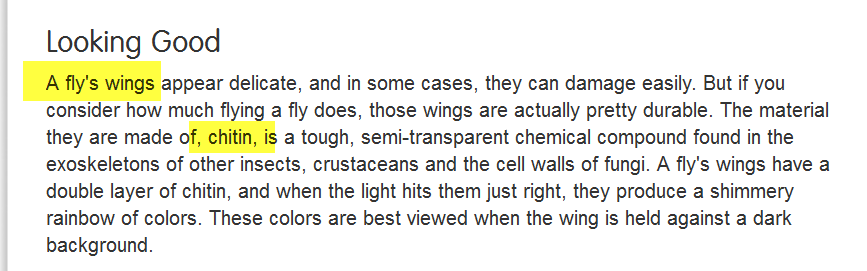
Chitin is a polysaccharide biological structural polymer found in exoskeletons, like krill, insects, crabs, beaks of squid etc, and combined with calcium carbonate to form shells of crustaceans. It absorbs radioactive fallout.

Chitin, is an extremely important building block of many types of organisms.

Radiation 

  1. blows up the skeletons of important sea life at the bottom of the food chains like krill, 
  2. destroys fungis, 
  3. damages mushrooms, 
  4. and it destroys the structural veins of insects wings.    

See all the little snippets on Chitan from the “Dictionary_Of_Science.pdf”

In 2011, after Fukushima, ALL the flies went away….for a full year.   When the flies came back, I also starting feeling more healthy again.     How can this be?   Flies with broken wings would not do well…how could all the wings get broke?   Simple, they are made of Chitin.   from http://animals.mom.me/flies-transparent-wings-10244.html

SUMMARY
What are dying?

Whales they eat krill
Mures, they eat fish that eat krill
Reindeer and caribou die offs, they eat lichens/fungi
Insects are dying their wings are made of Chitin
Birds that eat insects are dying
Krill have an exoskeleton made of Chitin
Fungi have biological structures made of Chitin

Chitin absorbs radiation and Chitin has its chemical structure destroyed by radiation.

After Three Mile Island and after Fukushima in Hawaii…all the flies went away for a year.    Fly wings are made of Chitin.

No Chitin Sherlock, the smoking gun uncovered.
——————————————————————————————-
Radiation destruction of chitin


[en]

The change in functional composition and molecular mass of crab, shrimp, and Antarctic shrimp (krill) chitin under the effect of ionizing radiation has been studied. 

By electron paramagnetic resonance spectroscopy it was established that primary radicals appear in positions 1 and 4 of the pyranose ring with subsequent breakdown of the glycoside bond analogous to cellulose and chitosan decay when γ-irradiated.  {RADIATION}

A scheme of radiochemical transformations of chitin is suggested

—————————————————————————

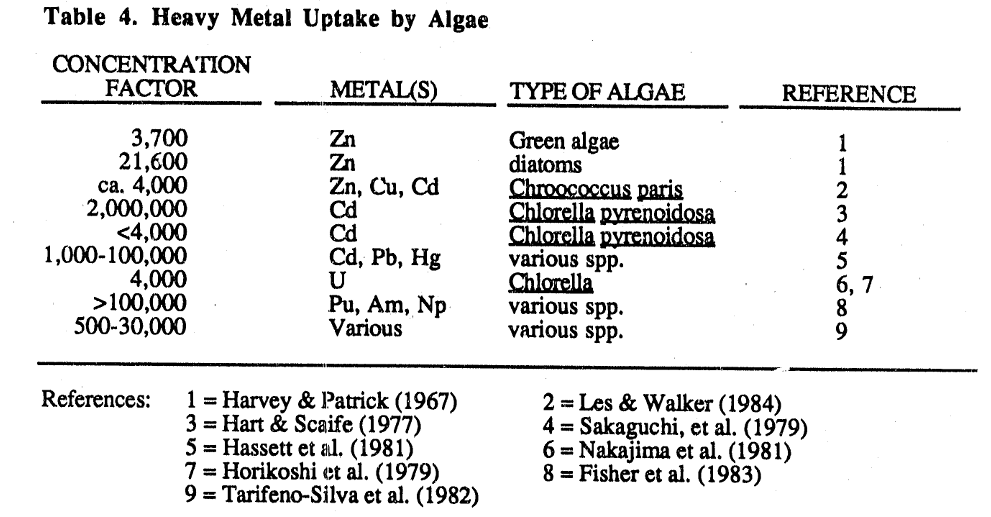
stock here–supporters of the Nuclear Industry will often throw out their deception that “but the level of contamination in the ocean is so small compared to natural radiation”.   They completely ignore known science using the “Concentration Factor”.    Some life forms will bio-accumulate, or bio-magnify if you will, up to 2 Million times what is in the water around them.   See this table.    Note that they are not usually testing for Cesium and Strontium in these tests, but those could also be a darling of the heavy metal uptake and deserves a deeper look.

http://www.osti.gov/scitech/biblio/5671763


Par for the course, seems like the “scientists” are always concerned with exploiting a natural process and never use their intuition to also assess….what potential ramifications does my research have for protecting the eco-system.

Apart from clogging, shading, corrosive, and degrading effects, the major interest of many researchers was the fouling-mediating role of biofilms

from http://www.ncbi.nlm.nih.gov/pmc/articles/PMC3425911/

So they neglect to think….perhaps these biofilms that are on almost every marine plant or animal could be concentrating metals into the “host” plant or animal.   They know it happens, but only parse the question in terms of how it could affect “fouling”.

the passage of chemicals and radiation across these membranes is modulated by microfouling quite analogously to what is happening at the living surfaces of marine organisms covered by epibiotic biofilms. However, this insulating or filtering function of biofilms is much less studied in epibiotic associations because typically these biofilms cannot be maintained structurally and functionally intact in the absence of the host.

Code says
stock, in my mind, a distinction should be made in the bioabsorption, and concentration of radionuclides and the destruction of the chitin by the same.

For example, mutation could come from the concentration or precipitation (think ion exchange resin) of chitin and its effect on DNA, as opposed to sheer structural degradation. Also there is an important time factor. So as an insect is growing or hatching, the timed polymerization of chitin must be VERY critical. Rather than structural degradation, a speeding up or retardation of polymerization during that crucial stage could result in poor wing shape etc.

stock here

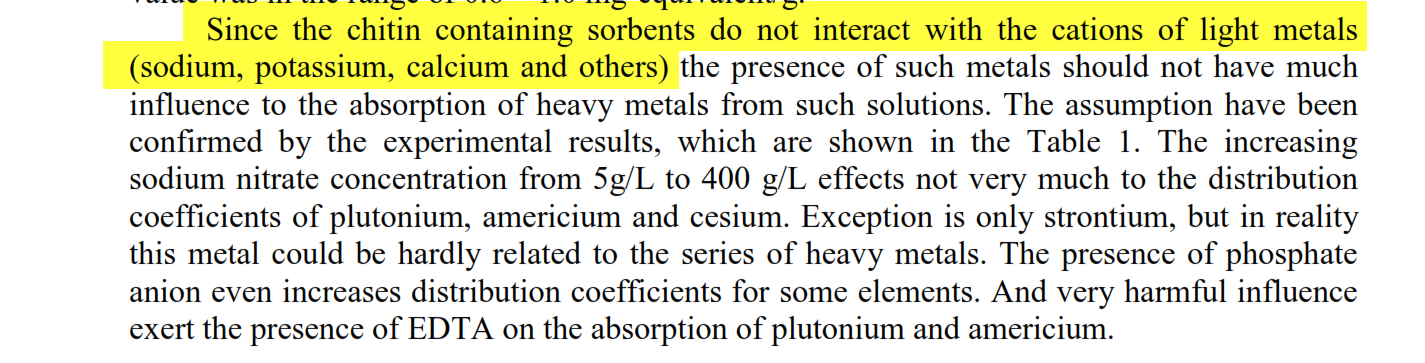
So interestingly enough….Chitin is researched as an effective “sponge” to soak up Uranium, Plutonium, Americium, Curium, strontium, Cesium.

Hmmmmmmm

https://www.google.com/url?sa=t&rct=j&q=&esrc=s&source=web&cd=1&cad=rja&uact=8&ved=0ahUKEwithqDyxPDKAhXJ4D4KHROGBOYQFggdMAA&url=http%3A%2F%2Fwww.tandfonline.com%2Fdoi%2Fpdf%2F10.1080%2F00223131.2002.10875518&usg=AFQjCNF-n6vwofG8MZnojs0XbY1Y-8zhZw&sig2=oJKe5oPJNsbewnGD9_kFdA

A background on Chitin, they are thinking for commercial development
http://slideplayer.com/slide/4415459/#

And here is another lengthy scientific article on Chitin as a cleanup material for nuclear waste.

http://www-pub.iaea.org/MTCD/Publications/PDF/te_1336_web.pdf#page=192

More information and link resources, just slamming them in here now, for Intuitive Exploitation later

CodeShutdown

Chitin absorbs and concentrates radionuclides. This is part of the familiar bioconcentration/bioaccumulation story. The concentration factor for heavy metals can be hundreds, thousands or even millions of times. The reason I started thinking about chitin is because I was looking for a natural organic ion exchange resin. They use ion exchange resin to concentrate and isolate cesium from ocean water for measurement. Chitin is well known for its heavy metal absorption and chelation. More is unknown than known about chitin and how it is controlled in biology.
“Despite decades of intensive research, many events associated with the complexity of chitin formation and deposition are still obscure, or only partially understood. The list includes the hormonal control of CS at the transcriptional and translational levels as well as the post-translational CS packaging; trafficking and guidance of CS clusters to proper sites in the cells and their intricate insertion into the plasma membranes; activation of the catalytic step and its control or modulation; and translocation of chitin chains across cell membranes, their orientation, fibrillogenesis and association with other extracellular structural components such as polysaccharides (fungi) and cuticular proteins (insects)”

  • CodeShutdown CodeShutdown

    man made radiation concentrating all over the place!…
    Once concentrated in body structure, the radiation and heavy metals could interfere with the exquisite hormonal and genetic control of chitins temporal and spacial placement
    ‘Chitin is considered to be one of the most abundant macromolecules in the biosphere. The chitin microfibrils serve as structural scaffolds in cell walls, cuticles, shells, and intestinal peritrophic matrices. The capacity for chitin production is found in a vast variety of taxonomic groups including algae, fungi, protists, sponges, rotifers, nematodes, arthropods, cuttlefish, brachiopods, and mollusks. Chitin is particularly present in marine ecosystems because oceanic crustaceans produce most of its biomass (mainly pelagic zooplankton such as krill

  • CodeShutdown CodeShutdown

    Fisher et al found very high concentration factors for radionuclides Pu, Am and Np of greater than 100,000 with living cells of diatoms. Chlorella concentrates Cd two million times
    http://www.osti.gov/scitech/servlets/purl/5671763

  • CodeShutdown CodeShutdown

    tsezos and volesky showed hat ion exchange capacity of microbial cell wall can be greater than that of commercial ion exchange resins and activated carbon by three times. The test elements were uranium and throium
    Living cells can accumulate metals from much lower concentrations…ppb or lower…than inert biomass absorbers with higher concentration factors and greater specificities for a particular toxic metal
    microalgae sequester heavy metals by adsorption and absorption mechanisms as well as formation of phytochelatins which they synthesize in response to heavy metal stress. (oh no, hormesis!) Gekeler et al
    phytochelatins are peptides produced only by algae and higher plants. They are analogous to the metallothionein proteins produced by fungi and animals in response to heavy metal stress

  • CodeShutdown CodeShutdown

    biofilms on every animal in the ocean. Biofilms are capable of binding significant quantities of metals under natural conditions, and serve as matrices for precipitation of insoluble mineral phases.
    See it? Many different modes of bioabsorption and concentration of man made radiation. Radioactive biofilm on chitin shells
    http://www.ncbi.nlm.nih.gov/pmc/articles/PMC3425911/

  • CodeShutdown CodeShutdown

    chitin, nothing random about it!
    Chitin biosynthesis is a strongly regulated process, both spatially and temporally. It acts like an ion exchange resin and also absorbs by pores and other mechanisms. If the timing and placement isnt perfect, the animal will be deformed.
    The ion exchange process is very effective at transferring the radioactive content of a large volume of liquid into a small volume of solid.
    Nuclear reactors have been using resins for years. Boiling water reactors generate 20 cubic yards of organic ion exchange resin radioactive waste a year. They dont know what to do with this waste exactly. Told them so, but did they listen?
    http://www-pub.iaea.org/MTCD/publications/PDF/TRS408_scr.pdf

  • CodeShutdown CodeShutdown

    all biological material has an affinity for metals,
    ‘Chitin is a very important structural component of
    fungal cell walls and is an effective biosorbent for metals and
    radionuclides, as are chitosan and other chitin derivatives’ Heavy metals are usually powerful poisons to the nervous system.
    Natural inorganic ion exchangers;
    A large number of organic materials exhibit ion exchange properties; these include polysaccharides (such as cellulose, algic acid, straw and peat), proteins (such as casein, keratin and collagen) and carbonaceous materials
    Removal of Heavy Metal from Contaminated Water by Biopolymer Crab Shell Chitosan
    http://scialert.net/fulltext/?doi=jas.2009.2762.2769

    HillbillyHoundDog

    http://europepmc.org/articles/PMC4131215
    Sci Rep. 2014; 4: 6053.
    Published online 2014 August 13. doi: 10.1038/srep06053
    PMCID: PMC4131215
    A Magnetic Carbon Sorbent for Radioactive Material from the Fukushima Nuclear Accident
    Daizo Yamaguchi,a,1 Kazumi Furukawa,2 Masaya Takasuga,2 and Koki Watanabe1
    …Here we present the first report of a carbon-γ-Fe2O3 nanoparticle composite of mesoporous carbon, bearing COOH- and phenolic OH- functional groups on its surface, a remarkable and magnetically separable adsorbent, for the radioactive material emitted by the Fukushima Daiichi nuclear power plant accident. Contaminated water and soil at a level of 1,739 Bq kg−1 (134Cs and 137Cs at 509 Bq kg−1 and 1,230 Bq kg−1, respectively) and 114,000 Bq kg−1 (134Cs and 137Cs at 38,700 Bq kg−1 and 75,300 Bq kg−1, respectively) were decontaminated by 99% and 90% respectively with just one treatment carried out in Nihonmatsu city in Fukushima. Since this material is remarkably high performance, magnetically separable, and a readily applicable technology, it would reduce the environmental impact of the Fukushima accident if it were used.

    Ocean acidification — University of Bristol

    http://palaeo.gly.bris.ac.uk/ocean/Biology.html

    HillbillyHoundDog

    Pages highlighted in the 600 page book I posted yesterday claim studies show tuffs?(volcanic rock) have a high absorbtion rate for radionuclides. I also recall coral having a high affinity for heavy metal contamination and death. Does this make Hawaii a sea sponge for radioactive particles? Will she be sacrificing her corals, or what is left of them?

    So interestingly enough….Chitin is researched as an effective “sponge” to soak up Uranium, Plutonium, Americium, Curium, strontium, Cesium.
    Hmmmmmmm
    https://www.google.com/url?sa=t&rct=j&q=&esrc=s&source=web&cd=1&cad=rja&uact=8&ved=0ahUKEwithqDyxPDKAhXJ4D4KHROGBOYQFggdMAA&url=http%3A%2F%2Fwww.tandfonline.com%2Fdoi%2Fpdf%2F10.1080%2F00223131.2002.10875518&usg=AFQjCNF-n6vwofG8MZnojs0XbY1Y-8zhZw&sig2=oJKe5oPJNsbewnGD9_kFdA
    oldster

    Notable Fukushima/Chernobyl research scientist Timothy Mousseau has made recent note of the lack of funding/support for necessary/illuminating science on this issue, and deems it a form of censorship.
    However, nothing ventured nothing gained is applicable here. I’ll contact some people who might help, maybe some others here can do so too, and maybe who knows , a seed will have been planted: from one little acorn came many oaks … and a great many blessings.

    Funny how “Science” it focused on exploiting Chitin, rather than protecting Chitin.
    http://www.els.net/WileyCDA/ElsArticle/refId-a0000694.html 

    ——————————————————————————————–
    To those who understand this quick Haiku
    You are a chosen few
    Spread the word
    We have a new bird
    To enlighten the jousting crew
    —————————————–
    Poor Chitin Bats Last
    Kenny Tests The Water, Clean
    We Are At The Mures
    —————————————————————————————–
    new material added 2-15-16
    Bottom line, if the Chitin as exoskeleton doesn’t form right during creation then the insect (or other critter) will be more susceptible to parasitic attack.   Much of bee die off is because of parasitic attack.—

    With their chitinous shells, insects seem almost invulnerable — but like Achilles’ heel in Greek mythology, their impressive armor can still be attacked. Researchers at the universities of Bonn and Leipzig studied fruit flies (Drosophila) and discovered the molecular processes that are able to break through this protective casing. The enzyme chitinase 2 and growth factor idgf6 are especially important in correctly forming the insects’ shells. These findings are relevant for fighting parasites, and will be published in the professional journal Scientific Reports.

    http://www.nature.com/articles/srep18340 

————————————————- rattleshark put this link up at nukepro. Shows how bioaccumulation of plutonium works in shell creatures in ocean. Not as bad as Chitin based animals like krill that can multiply as much as 2 MILLION times! But some of these show Pu multiplication into their shells and muscles (pun intended) of almost 2000 times what is in the water, in just 90 days….I wonder about 5 years…. http://www.int-res.com/articles/meps/22/m022p059.pdf#sthash.MvbdQffD.dpuf

http://nukeprofessional.blogspot.com/2016/02/a-scientific-basis-for-destruction-of.html

New York: Radiation leak at Indian Point Nuclear Power Plant worsens

Two posts.

From ENE News
2-7-16

CNN, Feb 6, 2016 (emphasis added): A leak at the Indian Point nuclear facility in New York has sent contaminant into the area groundwater, causing radioactivity levels 65,000% higher than normal, Gov. Andrew Cuomo said on Saturday… The groundwater beneath the nuclear plant… flows into the Hudson River at a point about 25 miles north of New York City… [T]he NRC plans to send an expert in health physics and radiation protection to the site

NY Daily News, Feb 6, 2016: Gov. Cuomo said the plant’s operator, Entergy, reported “alarming levels” of radioactivity at three monitoring wells, with one well’s radioactivity increasing nearly 65,000%… Other state officials also blasted the controversial nuclear facility’s most recent mishap. Assemblywoman Ellen Jaffee (D-Suffern) said she was concerned not only for the surrounding community but also for the “impact this radioactive water may have on public health and our environment,” Jaffee added.

News 12 transcript, Feb 6, 2016: “Tonight on News 12 — a radioactive leak at Indian Point sparking a full investigation by the State over concerns of contamination… Officials discover alarming levels of radioactivity at several monitoring wells… with one’s radioactivity increasing by nearly 65,000%… Officials say… there is no immediate threat to the public.”

AP, Feb 6, 2016: It was unclear how much water spilled, but samples showed the water had a radioactivity level of more than 8 million picocuries per liter… The levels are the highest regulators have seen at Indian Point… Contaminated groundwater would likely slowly make its way to the Hudson River, [an NRC spokesman] said… Tritium [is] a radioactive form of hydrogen that poses the greatest risk of causing cancer when it ends up in drinking water.

Gov. Andrew Cuomo, Feb 6, 2016: “Yesterday I learned that radioactive tritium-contaminated water leaked… The company reported alarming levels of radioactivity at three monitoring wells, with one well’s radioactivity increasing nearly 65,000 percent.”

Gov. Cuomo’s letter to Commissioner Zucker (Dept. of Health) & Acting Commissioner Seggos (Dept. of Environmental Conservation), Feb 6, 2016: “I am deeply concerned… Indian Point has experienced significant failure in its operation and maintenance… levels of radioactivity reported this week are significantly higher than in past incidents… Our first concern is for the health and safety of the residents… I am directing you to fully investigate this incident… to determine the extent of the release, its likely duration, its causes, its potential impacts to the environment and public health, and how the release can be contained.”

Ellen Jaffee, New York Assemblymember, Feb 6, 2016: “I am concerned about the alarming increase in radioactive water leaking… My primary concern is the potential impact this… may have on public health and our environment.”

CBS 6 Albany transcript, Feb 6, 2016: “[The NRC] says that exposure to high levels of tritium may cause cancer in humans or genetic defects.”

Watch broadcasts here: News 12News 10CBS 6 | CBS NY

http://enenews.com/govt-radiation-leak-nuclear-plant-major-city-alarming-levels-radioactivity-65000-spike-detected-official-deeply-concerned-significant-failure-expert-radiation-protection-being-sent-site-video

From Beyond Nuclear
February 20, 2016

Mum’s the word as radioactive leak at Indian Point gets worse

Entergy’s Indian Point nuclear power plant at Buchanan, NY is leaking more radioactive tritium at higher concentrations into groundwater draining into the Hudson River. Failure of a sump pump needed for filtering radioactivity in contaminated water accumulated from a refueling outage is believed to be the cause of this latest spill picked up in three onsite monitoring wells next to Unit 2.

The depth, breadth and flow rate of the underground contaminated plume remains unknown. One monitoring well (MW-32), which is 57 feet deep, first tested positive for high levels of tritium, radioactive hydrogen, at 8 million picoCuries per liter (pCi/L). In a press release, Entergy “voluntarily” admitted that a more recent follow-up test for tritium has now increased by 80%. Beyond Nuclear badgered the Nuclear Regulatory Commission (NRC) for more transparency to find that tritium levels in three monitoring wells have soared.  Tritium concentrations  have risen in MW-30 from 1.5 million pCi/L to 2.7 million pCi/L, MW-31 from 38,100 pCi/L to 9.5 million pCi/L and MW-32 is now 14.8 million pCi/L.

But “voluntary” compliance automatically ducks reliable reporting, federal regulations and enforcement action.

Beyond Nuclear repeatedly called NRC for two days. Entergy publicly posted a dismissive, detail-less Event Notification to the NRC website that they “voluntarily” neglected to post when the tritium leak was first detected nearly a week earlier. Entergy’s account is more evidence of the inconsistency and non-transparency to be expected of voluntary reporting of corporate pollution. Contaminated groundwater is flowing offsite into the Hudson River where according to the NRC and the nuclear power company dilution is the solution to pollution. Actually, its more a cheap substitute for compliance with the federal licensing agreement to control and monitor all radioactive effluent pathways to the environment.

Uncontrolled releases of radioactive effluent through unmonitored pathways into the environment are violations, albeit unenforced, of NRC’s “minimum requirements” and performance criteria (GDC 60 & 64) stipulated in Entergy’s operating licensing agreement. This most recent radioactive leak is more evidence of deteriorating systems where Entergy has lost control of the radioactive effluent coursing through reactor buildings and migrating offsite into the river. Of equal concern, the NRC has abdicated its regulatory authority to nuclear industry’s “voluntary initiative” (aka the Groundwater Protection Initiative). Once again, Indian Point’s leaks are just the latest demonstration of an erosion in public health oversight and the control and monitoring of radioactive water to “Nuclear Regulatory Capture.”

http://www.beyondnuclear.org/home/2016/2/10/mums-the-word-as-radioactive-leak-at-indian-point-gets-worse.html